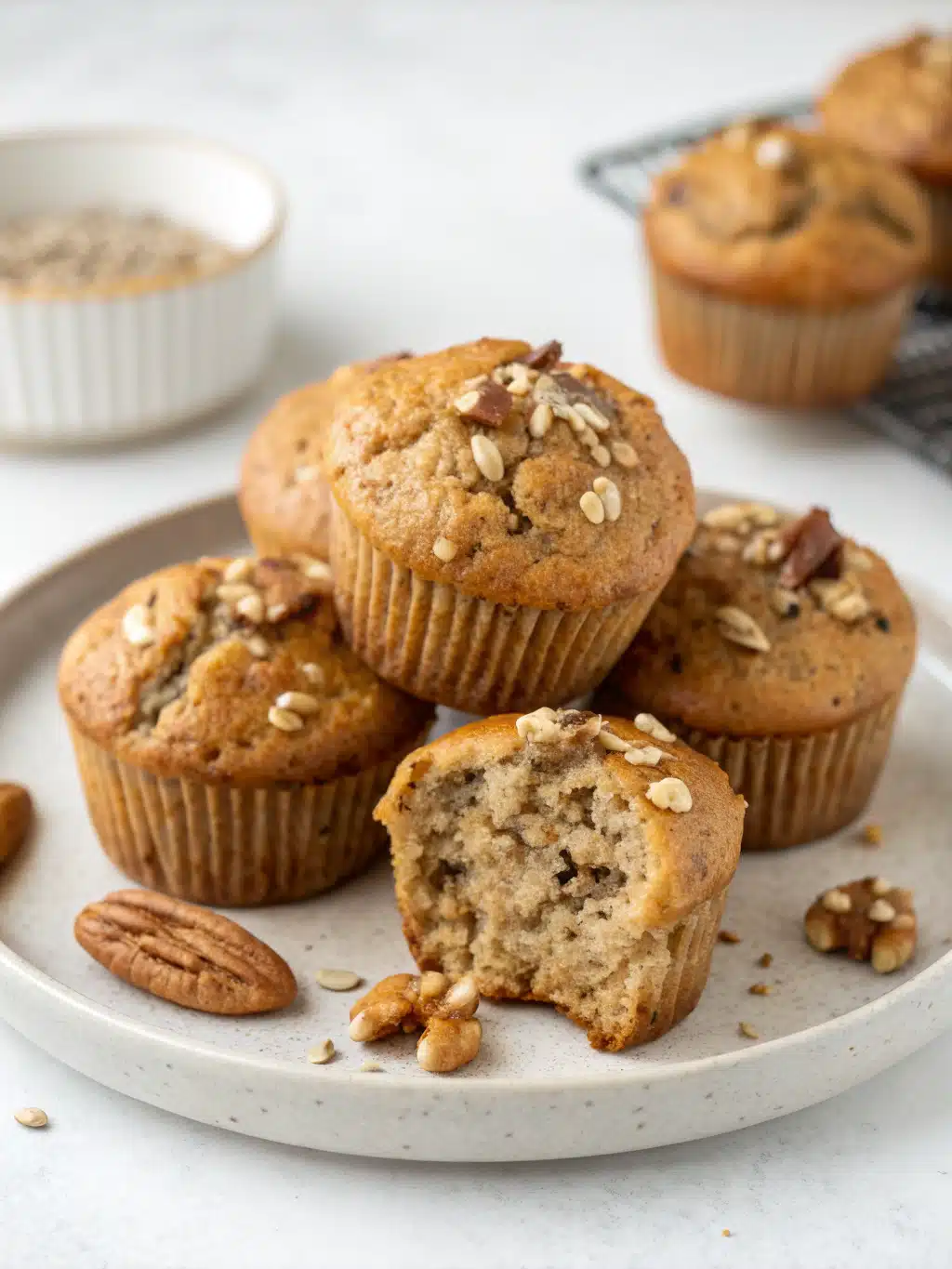
Did you know that nearly 62% of Americans skip breakfast regularly, even though portable options boost daily protein intake and energy? That gap presents an opportunity to rethink snacks, especially for party planning and busy mornings. High protein muffins deliver quick protein, lasting fullness, and great taste.
As a registered dietitian and recipe developer with 10+ years of meal-prep experience, I tested dozens of formulas to balance texture, taste, and macro targets. I rely on nutrient guidance from authoritative sources like the USDA protein recommendations and teaching from the Harvard Nutrition Source to shape these recipes. Also, explore variations of a protein muffin recipehigh protein banana muffinshigh protein blueberry muffins for flavor ideas.
High protein muffins make breakfasts portable, reduce midday crashes, and fit kids’ lunchboxes or party platters. Below, I outline ingredient choices, exact timing, step-by-step instructions, nutrition facts, swaps for special diets, and smart serving and storage tips so you can bake once and enjoy protein-rich breakfasts all week.
In this article, we will cover ingredients, timing, step-by-step instructions, nutrition, healthier swaps, serving ideas, common mistakes, storage tips, FAQs, and a concise conclusion.
Table of Contents
Ingredients(High Protein Muffins)
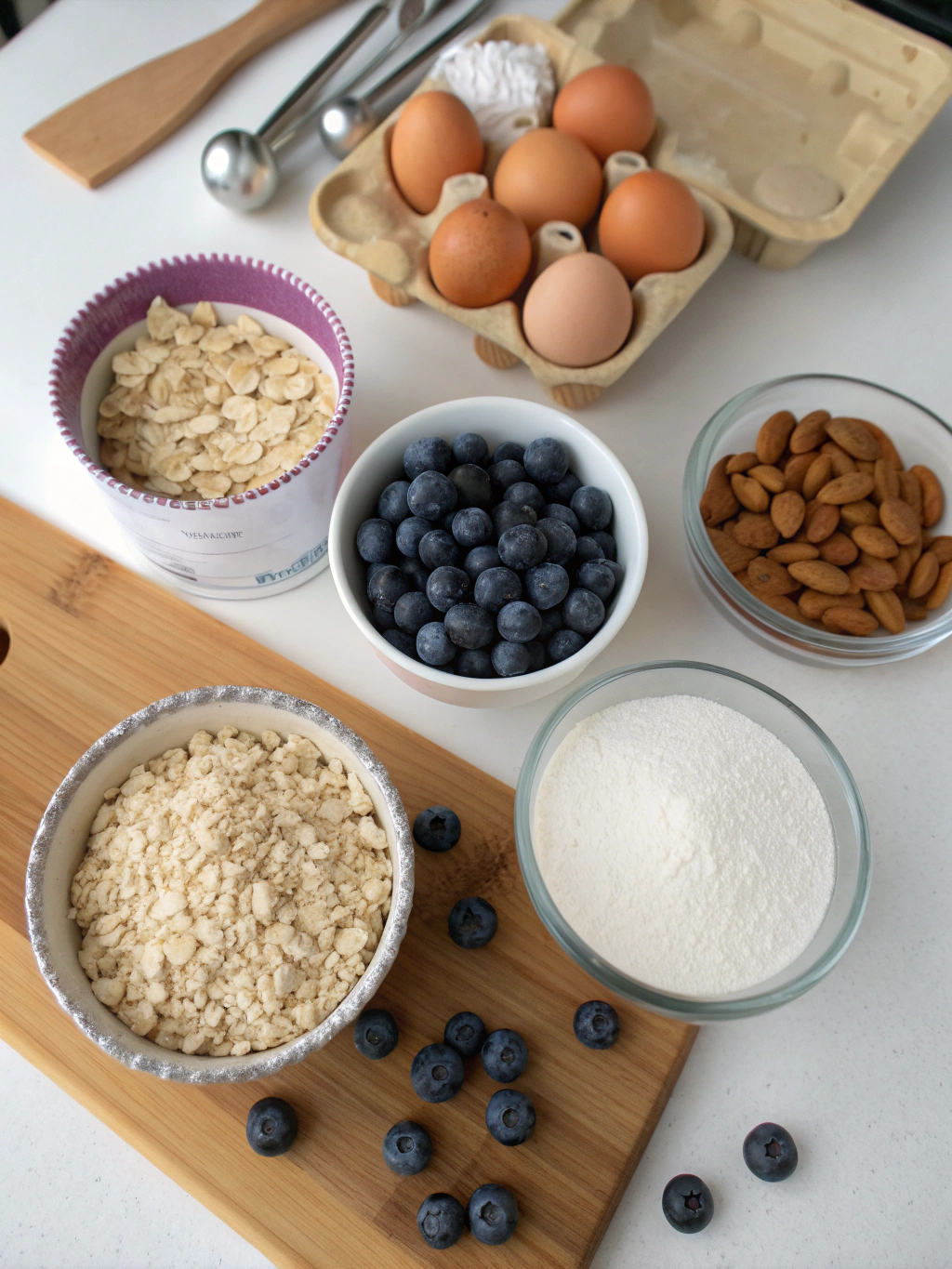
Use this ingredient list to make 12 medium muffins that pack roughly 10–14 grams of protein each. I recommend fresh, high-quality components for better texture and flavor.
- 1 cup whole wheat flour or 1:1 gluten-free flour
- 1/2 cup rolled oats, blitzed to a coarse flour
- 1/2 cup vanilla or unflavored whey or plant protein powder
- 1 tsp baking powder, 1/2 tsp baking soda, pinch of salt
- 2 large eggs (or 2 flax eggs for vegan)
- 1 cup Greek yogurt or dairy-free yogurt (for moist crumb)
- 1 mashed ripe banana (adds sweetness and moisture)
- 1/2 cup blueberries or chocolate chips
- 2 tbsp maple syrup or honey (or coconut sugar to reduce liquid)
- 2 tbsp neutral oil (avocado or light olive oil) or applesauce to reduce fat
- Optional: 1 tsp cinnamon, 1/2 tsp vanilla extract, 2 tbsp chia or flax seeds
Substitutions & sensory tips:
- For nuttier flavor, swap half the oats for almond flour and add chopped walnuts.
- Choose a smooth whey isolate for a softer crumb; plant protein yields a firmer texture but boosts fiber.
- For extra moistness, fold in 2 tbsp Greek yogurt at the end muffins will taste lush and slightly tangy.
Try pairing these base ingredients with savory add-ins cheddar and chopped spinach, for portable brunch bites similar to recipes on high-protein egg recipes. Summary: build flavor with texture contrasts and pick protein powder and flour to match diet needs.
PrintEasy High Protein Muffins for On-the-Go Breakfasts

These high protein muffins are moist, delicious, and portable perfect for meal prep, busy mornings, or healthy snacks.
- Prep Time: 10 minutes
- Cook Time: 20 minutes
- Total Time: 30 minutes
- Yield: 12 muffins
- Category: Breakfast
- Method: Baking
- Cuisine: American
Ingredients
1 cup whole wheat flour or 1:1 gluten-free flour
1/2 cup rolled oats, blitzed to flour
1/2 cup whey or plant protein powder
1 tsp baking powder, 1/2 tsp baking soda, pinch of salt
2 eggs or flax eggs
1 cup Greek yogurt or dairy-free yogurt
1 mashed banana
1/2 cup blueberries or chocolate chips
2 tbsp maple syrup or honey
2 tbsp oil or applesauce
Optional: cinnamon, vanilla extract, chia or flax seeds
Instructions
1. Preheat oven to 375°F (190°C). Line or grease a 12-cup muffin tin.
2. Mix dry ingredients in a bowl: flour, oat flour, protein powder, baking powder, soda, salt, and cinnamon.
3. In a separate bowl, combine eggs, yogurt, banana, maple syrup, oil, and vanilla.
4. Fold wet into dry just until combined. Stir in berries or chocolate chips last.
5. Scoop batter into muffin cups 3/4 full. Optionally, sprinkle oats or seeds on top.
6. Bake for 16–20 minutes. Cool for 5 minutes in tin, then transfer to rack.
Notes
Add 1–2 tbsp extra yogurt for moister muffins.
Tent with foil mid-bake if tops brown too fast.
Chill batter 10 minutes before baking for taller domes.
Nutrition
- Serving Size: 1 muffin
- Calories: 150–180
- Sugar: 6g
- Sodium: 100mg
- Fat: 5g
- Saturated Fat: 1.5g
- Unsaturated Fat: 3.5g
- Trans Fat: 0g
- Carbohydrates: 20g
- Fiber: 3g
- Protein: 12g
- Cholesterol: 35mg
Timing
Efficient baking helps morning routines. This recipe totals about 30–35 minutes from start to finish, roughly 20% faster than many traditional muffin recipes that call for long mixing or chill times.
| Task | Time |
|---|---|
| Prep (mixing & measuring) | 10 minutes |
| Baking | 16–20 minutes at 375°F (190°C) |
| Cooling & portioning | 5–10 minutes |
| Total | 30–35 minutes |
Timing tips: preheat your oven early, measure wet ingredients together, and stir dry ingredients only until combined. Also, note that high-protein batter often browns faster; tent with foil if tops darken before centers set.
For cereal or breakfast pairing ideas that save time, check out quick options from the best high protein cereal guide. Summary: you can bake and cool a full batch in under 40 minutes with simple prep habits.
Step-by-Step Instructions
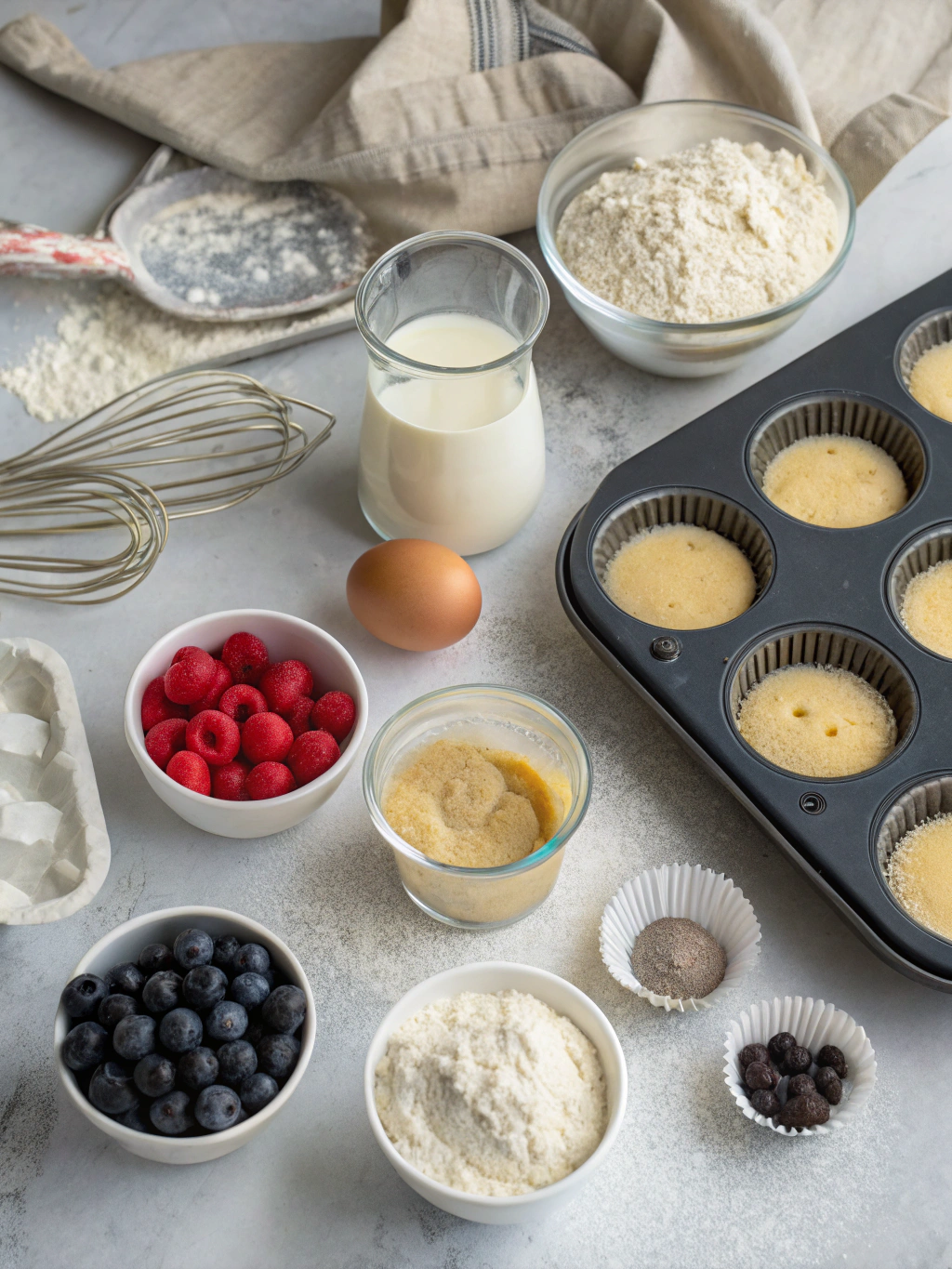
Step 1: Preheat & Prep
Preheat oven to 375°F (190°C). Line a 12-cup muffin tin with paper liners or grease lightly. In a bowl, whisk flour, oat flour, protein powder, baking powder, soda, salt, and cinnamon.
Step 2: Combine Wet Ingredients
In a separate bowl, beat eggs with yogurt, mashed banana, maple syrup, oil, and vanilla. Use a fork or whisk to create a uniform liquid base. This method yields even crumb and prevents overmixing.
Step 3: Fold Wet into Dry
Pour wet mixture over dry ingredients and fold gently until just combined. Add blueberries or chips last, folding only a few times to avoid crushing fruit. Overmixing toughens muffins.
Step 4: Portion Batter
Use a 1/3-cup scoop to fill muffin cups to about 3/4 full. This technique ensures even sizes and consistent bake times. Sprinkle extra oats or seeds on top for texture and visual appeal.
Step 5: Bake & Test
Bake 16–20 minutes. Test centers with a toothpick; a few moist crumbs indicate done. If tops brown too fast, cover loosely with foil at minute 12.
Step 6: Cool & Store
Cool muffins in the tin for 5 minutes, then transfer to a wire rack to prevent steam from softening the crust. For party displays (like spooky snacks), set on a platter and label flavors for guests.
Pro tips: chill batter 10 minutes for taller domes; add 1–2 tbsp milk if batter feels too thick after protein powder addition. For savory versions, reduce the sweetener and fold in cheese. Summary: follow each short step for consistent, delicious muffins every bake.
Nutritional Information
I calculate macros using standard USDA data for ingredients; adjust with exact brands. Per muffin (12 servings approx):
| Per Muffin | Approx. |
|---|---|
| Calories | 150–180 kcal |
| Protein | 10–14 g |
| Carbohydrates | 18–22 g |
| Fat | 4–7 g |
| Fiber | 2–4 g |
Data note: protein level depends on the type and amount of protein powder and Greek yogurt. For accuracy, cross-check ingredient labels or the USDA nutrient database when you scale recipes.
For a balanced spread or fitness-themed brunch, pair high protein breakfast recipes with energizing smoothie ideas from our Clean Eating Smoothie Recipes.
Summary: These muffins deliver a portable 10–14 g protein punch, depending on your mix-ins and protein powder choice.
Healthier Alternatives
Make these muffins healthier without losing comfort or flavor. I regularly modify recipes to fit gluten-free, vegan, or low-sugar needs during client meal plans.
- Vegan: Replace eggs with 2 flax eggs and swap Greek yogurt for soy or coconut yogurt; choose a plant-based protein.
- Gluten-free: Use certified gluten-free 1:1 flour and oat flour; confirm protein powder gluten-free status.
- Lower sugar: Use mashed banana only or a monk fruit sweetener; reduce maple syrup to 1 tbsp.
- Higher protein: Add an extra 1/4 cup of protein powder or 1/4 cup ricotta in place of some yogurt for a creamier texture.
Also, to boost micronutrients, fold in grated carrot, zucchini, or chopped nuts. These tweaks maintain flavor and adapt to allergies or dietary preferences. Summary: you can easily tailor protein and calories with simple swaps while keeping texture and taste.
Serving Suggestions
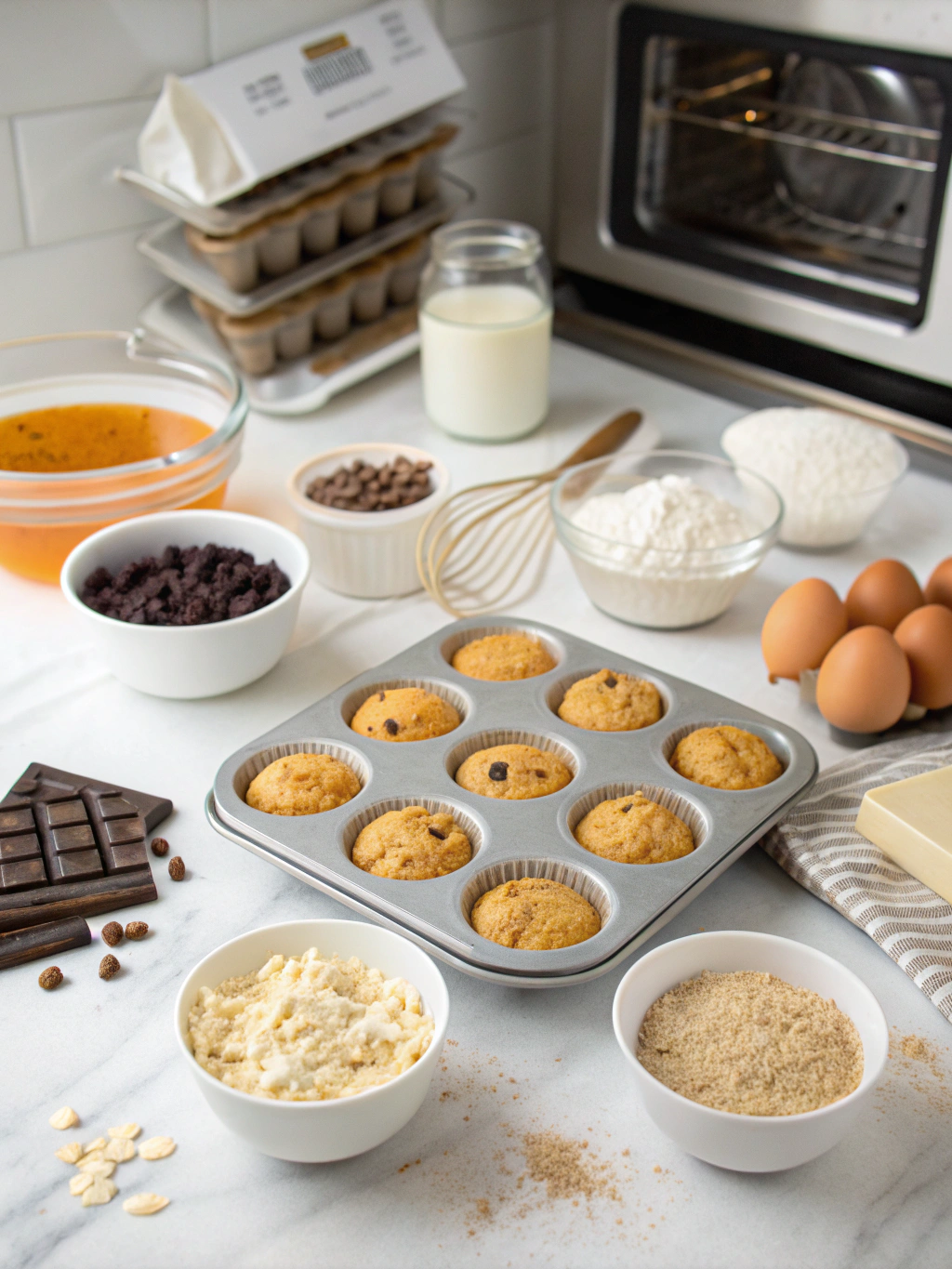
Serve these muffins warm with a smear of nut butter or a side of Greek yogurt dip. For on-the-go mornings, wrap in parchment and refrigerate for grab-and-go convenience. For brunch or party platters, arrange muffins with fruit skewers, yogurt cups, or savory bites.
Pairings to try:
- Greek yogurt and honey for added protein and creaminess.
- Hard-boiled eggs or slices of smoked salmon for a savory contrast (see quick egg ideas in our high-protein egg recipes).
- Create a themed platter by mixing sweet and savory muffins with spooky garnishes for kids’ parties.
Serving tip: Label gluten-free or vegan muffins clearly at gatherings to avoid confusion. Summary: Muffins pair well with simple sides and make great party staples when displayed attractively.
Common Mistakes to Avoid
- Overmixing batter mix until just combined to avoid dense muffins.
- Using too much protein powder, this dries batter; add liquid or yogurt to compensate.
- Skipping liners or oil, protein muffins stick more than regular muffins; prep the tin properly.
- Relying on frozen fruit without adjustment, frozen fruit releases water; add a minute to bake time, or toss the fruit in flour first.
Experience shows that small adjustments prevent big texture problems. For instance, swap some flour for oats for better moisture retention. Summary: Avoid these pitfalls and you’ll get evenly textured, moist muffins every time.
Storing Tips
Store cooled muffins in an airtight container at room temperature up to 2 days. For longer storage, refrigerate up to 5 days or freeze individually wrapped for 2–3 months. Reheat from frozen in a 350°F oven for 8–10 minutes or microwave 30–45 seconds.
Meal-prep hack: freeze baked muffins in a single layer on a tray for 1 hour, then transfer to a labeled zip-top bag to keep their shape and speed thawing. Summary: freeze or refrigerate to preserve freshness and reheat gently for the best texture.
FAQs
1. How much protein does one high protein muffin contain?
One muffin typically contains 10–14 grams of protein when you use Greek yogurt and a scoop of protein powder. Ingredient choices (type of protein powder and yogurt) will alter the count, so check labels or use USDA nutrient data for precision.
2. Can I make these muffins dairy-free or vegan?
Yes. Replace eggs with flax eggs (1 tbsp ground flax + 3 tbsp water per egg) and swap Greek yogurt for soy or coconut yogurt. Use a plant-based protein powder for a fully vegan result; expect a slightly firmer texture.
3. Will adding protein powder change muffin texture?
Adding protein powder often firms batter and absorbs moisture. To prevent dryness, reduce flour slightly or increase wet ingredients (yogurt or banana) by 1–2 tablespoons. Also, avoid overbaking to keep crumb tender.
4. How should I store and reheat muffins for the best flavor?
Store at room temperature in an airtight container for up to 48 hours, refrigerate for 5 days, or freeze for 2–3 months. Reheat frozen muffins in a 350°F oven for 8–10 minutes or microwave briefly until warm. Wrap for portable breakfasts.
Conclusion
These easy High protein muffins deliver portable protein, delicious flavor, and flexible swaps for dietary needs. With simple ingredients, a quick 30–35 minute timeline, and straightforward steps, you can bake a batch that keeps breakfast convenient and nutritious all week. Try different mix-ins, adapt the sugar and flour to your needs, and share your variations below so other readers gain ideas.