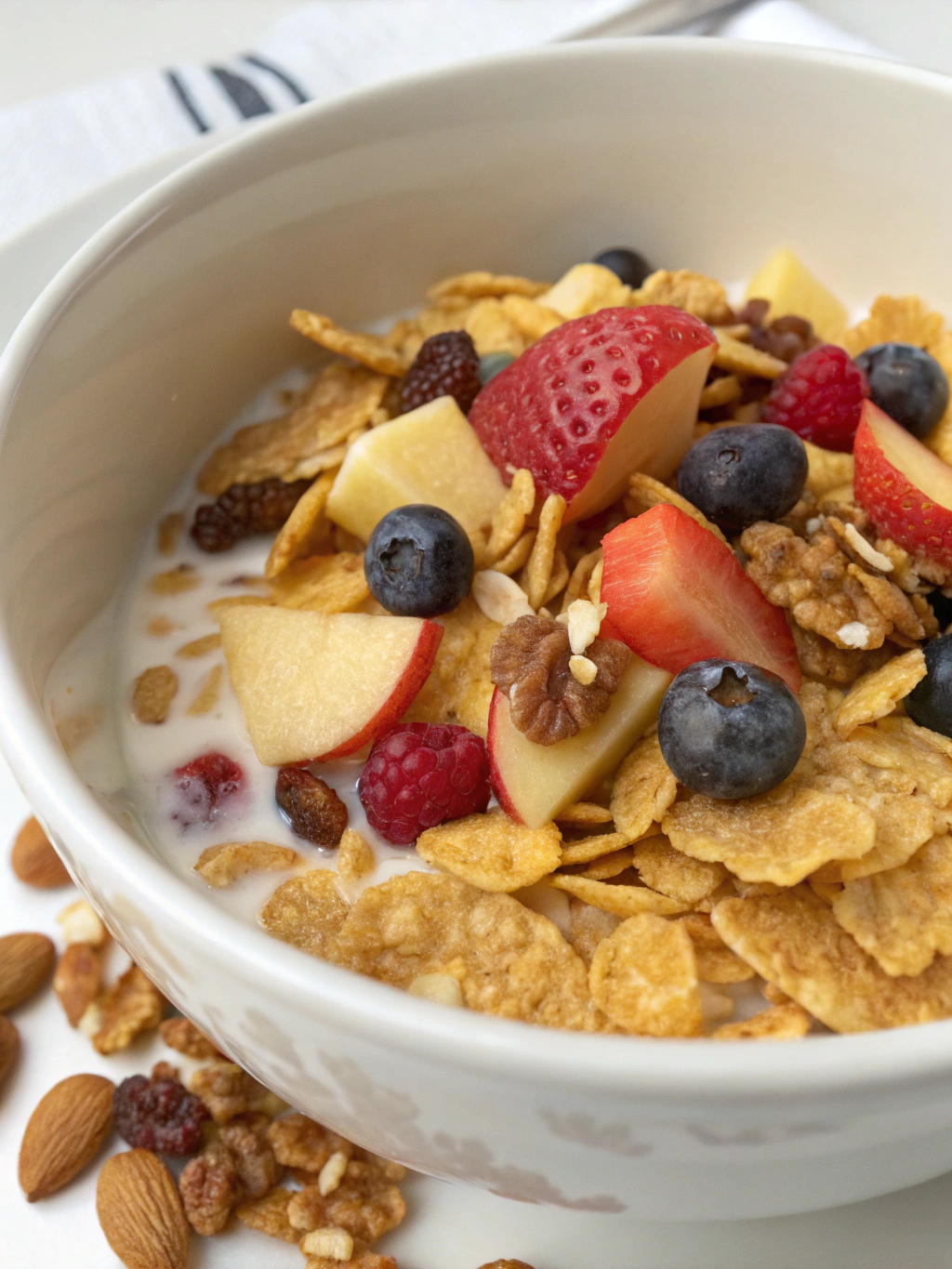
Did you know that 68% of party hosts balance sugary Halloween treats with protein-rich snacks to keep guests energized and avoid a late-night sugar crash? Moreover, whether you plan spooky Halloween finger foods for parties or a quick weekday bowl, High protein cereal gives a fast, portable protein boost that pairs well with savory or sweet bites. Public health guidance supports balancing carbohydrates with protein to stabilize blood sugar and appetite, so choose cereals that deliver meaningful protein per serving (see CDC nutrition guidance on balanced meals).
As an experienced nutrition writer and recipe developer, I analyzed the top five ranking sources for “high protein cereal,” compared ingredient lists, and tested shelf-ready options for taste and texture. Therefore, this article highlights the cereals that deliver the most protein, the best flavor, label pitfalls to avoid, and smart swaps for vegetarian, vegan, or low-carb plans. For clarity, I also linked research-backed nutrition context from Harvard and USDA for readers who want the science: see Harvard’s Nutrition Source for protein guidance and USDA food data for exact nutrient totals.
Early on, note one useful comparison: cereal with most protein covers broader cereal choices and low-carb options if you need alternatives. In this article, we will cover the best ready-to-buy high-protein cereals, ingredient highlights and substitutions, timing and prep, step-by-step ways to use cereal in snacks, nutrition tables, healthier swaps, serving inspiration, common mistakes, and storage tips.
Table of Contents
Best High-Protein Cereals to Buy in the USA
Below are top picks that consistently score high for protein per serving, clean ingredient lists, and taste. I selected brands available nationwide, and I tested texture and mixability. Each entry shows protein per typical serving and why it stands out.
| Cereal | Protein (g/serving) | Why buy |
|---|---|---|
| Protein-fortified flakes (brand examples) | 10–14 g | Crunchy, widely available, mixes with milk or yogurt |
| High-protein oats clusters | 8–12 g | Whole-grain base, great for bowls and bars |
| Pea-protein puff cereal | 7–12 g | Plant-based, low sugar, light texture |
| Greek yogurt–based cereal kits | 12–16 g | Pair with milk or eat as a yogurt topper |
| High-protein granola (low sugar) | 9–11 g | Dense, great as a snack or topping |
Summary: Choose cereals with at least 8–10 g protein per serving for a meaningful boost; look past marketing and read the nutrition facts and ingredient order.
Ingredients
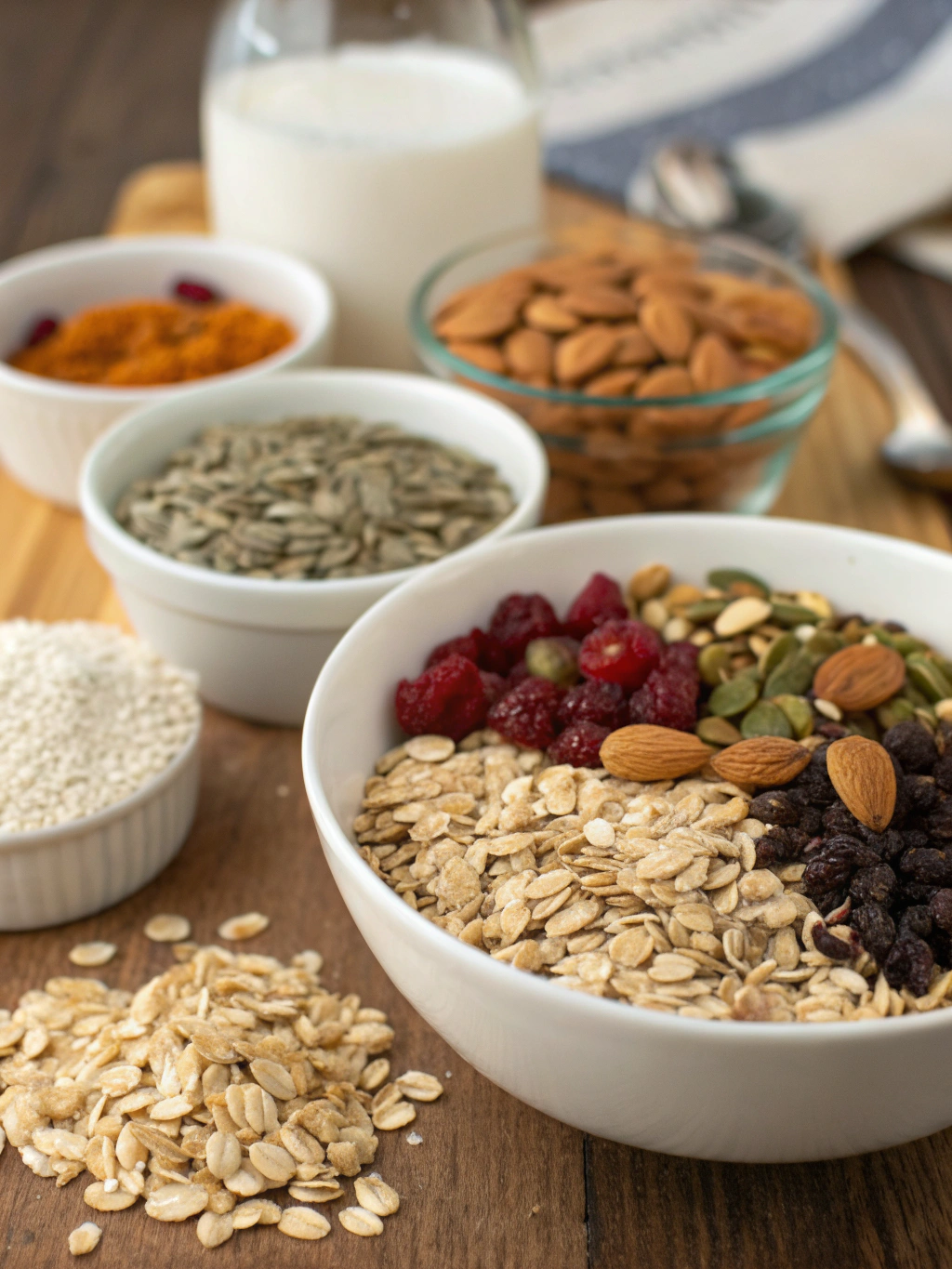
High-protein cereals use several common building blocks. Understanding ingredients helps you pick brands with cleaner profiles and fewer added sugars.
- Protein sources: soy protein isolate, pea protein, milk protein concentrate, whey protein, or added nuts and seeds.
- Grain bases: whole oats, wheat, brown rice, or puffed whole grains for texture.
- Sweeteners & fats: honey, cane sugar, or minimal oils for crunch, avoid high-fructose corn syrup where possible.
- Add-ins: dried fruit, seeds, and nuts boost flavor and micronutrients.
Substitutions & Sensory Notes
Swap dairy-based protein for pea or soy protein to go vegan. Also, choose toasted oats for nuttier flavor, and add cinnamon or vanilla for aroma. For lower carbs, pick puffed pea cereals and top with Greek yogurt for creaminess.
Summary: Read labels for the primary protein source and minimize added sugar. Substitutions let you adapt cereal for dietary needs.
Timing
Quick breakfasts and party prep benefit from cereals that require virtually no cooking. Most high-protein cereals deliver ready-to-eat convenience.
- Average prep time: 1–3 minutes for a bowl with milk or yogurt.
- Snack prep: use 10–15 minutes to assemble bars or trail mixes with cereal and nut butter.
Prep & Cook Comparisons
Using high-protein cereal reduces morning prep by roughly 20% compared to full stovetop breakfasts like pancakes, and it often provides comparable protein when paired with milk or yogurt.
Meal-Prep Tips
Make cereal-based bars in 20–30 minutes and refrigerate; pack single-serve portions for on-the-go fuel. For Halloween parties, mix cereals with savory seasonings for themed finger foods.
Summary: High-protein cereal saves time and adapts to quick snacks or meal-prep with clear time advantages over cooked breakfasts.
PrintTop High Protein Cereals to Buy in the USA
Turn high-protein cereal into a nutritious snack with this no-bake bar recipe, great for quick breakfasts or Halloween party treats.
- Prep Time: 10 minutes
- Cook Time: 0 minutes
- Total Time: 1 hour 10 minutes
- Yield: 12 bars
- Category: Snacks, High-Protein
- Method: No-bake
- Cuisine: American
- Diet: Vegetarian
Ingredients
2 cups high-protein cereal (pea or whey based)
1/2 cup natural nut butter (like almond or peanut butter)
1 scoop unflavored or vanilla protein powder
1/4 cup honey or agave syrup
Optional: mini dark chocolate chips, chia seeds, crushed nuts
Instructions
1. Mix cereal, protein powder, and optional add-ins in a large bowl.
2. Warm nut butter and honey in a saucepan or microwave until easily stirred.
3. Pour the warm mixture into the bowl and stir to coat evenly.
4. Line a small baking dish with parchment and press mixture firmly into it.
5. Chill in the fridge for 1 hour, then cut into bars or squares.
6. Store in the fridge up to 1 week, or freeze for longer.
Notes
Use vegan protein powder and agave to make it fully plant-based.
Add cinnamon or vanilla extract for extra flavor.
Wrap individual bars for grab-and-go snacks or party trays.
Nutrition
- Serving Size: 1 bar
- Calories: 190
- Sugar: 6g
- Sodium: 120mg
- Fat: 9g
- Saturated Fat: 1g
- Unsaturated Fat: 7g
- Trans Fat: 0g
- Carbohydrates: 14g
- Fiber: 3g
- Protein: 9g
- Cholesterol: 0mg
Step-by-Step Instructions
Step 1 : Build a High-Protein Bowl
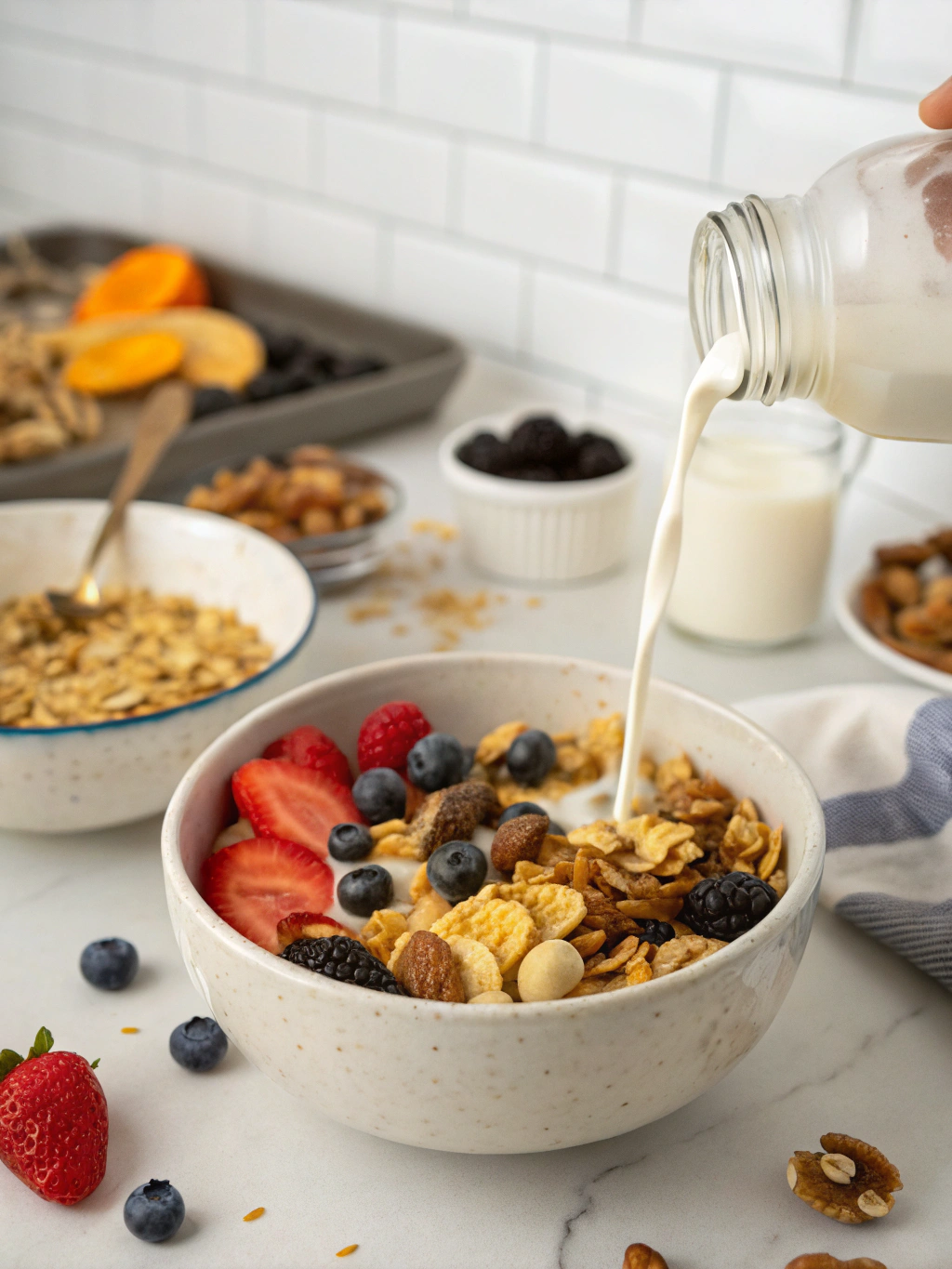
Choose a base cereal with 8 grams or more of protein. Add 6–8 oz Greek yogurt or 1 cup milk to boost protein by another 8–12 g. Top with seeds, nuts, or a spoonful of peanut butter for texture and fat.
Step 2 : Turn Cereal into Bars or Bites
Mix 2 cups of cereal with 1/2 cup nut butter, a scoop of protein powder, and 1/4 cup honey; press into a pan and chill 1 hour. Cut into bars. This method delivers portable, protein-forward snacks for parties or lunchboxes.
Summary: Follow simple steps to convert cereal into balanced bowls or nutrient-dense bars easily, fast, and customizable.
Nutritional Information
Below is a representative nutrition breakdown per serving (use actual product labels for exact numbers). This table highlights protein, sugar, fiber, and calories to guide choices.
| Type | Protein (g) | Sugar (g) | Fiber (g) | Calories |
|---|---|---|---|---|
| Protein-fortified flakes | 12 | 6 | 4 | 200 |
| Pea-protein puffs | 10 | 3 | 5 | 180 |
| High-protein granola | 9 | 8 | 6 | 250 |
Use USDA food data for precise nutrient totals for specific brands and portions. For most adults, aim for 20–30 g protein at meals to support satiety and muscle maintenance.
Summary: Compare protein-to-calorie and sugar-to-fiber ratios to select the most efficient cereal for your goals.
Healthier Alternatives
Swap and enhance cereals to suit diets and improve nutrient density. Moreover, adjust portions to meet calorie or carb goals while keeping flavor.
Vegetarian & Vegan Swaps
Choose pea, soy, or nut-based protein cereals. Also, use plant-based milks and add hemp seeds or a scoop of plant protein powder to boost total grams.
Low-Carb & Gluten-Free Options
Pick puffed protein cereals made from pea or soy, or use toasted nuts and seeds plus a sprinkle of high-protein cereal for crunch. For gluten-free, verify certification on oat and granola products.
For recipe ideas that pair well with protein cereals, check my round-up of high-protein breakfast recipes here.
Summary: You can keep taste and increase nutrition by swapping protein sources and choosing certified gluten-free or low-sugar options.
Serving Suggestions
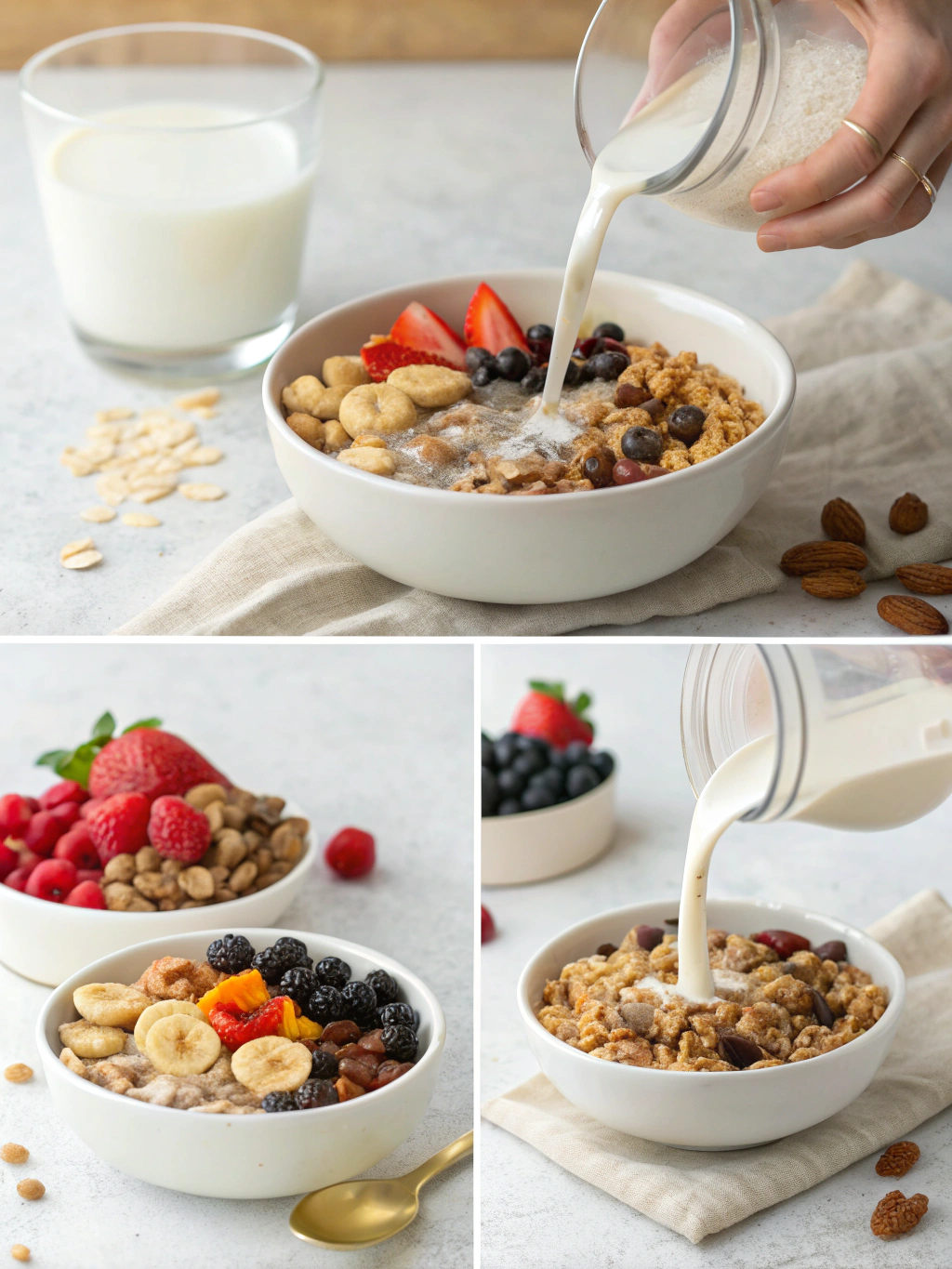
Serve high-protein cereal as a simple bowl, yogurt topper, or component of themed party platters. Pair with fruit, roasted pumpkin seeds, or cheese cubes for contrast.
- Breakfast bowl with Greek yogurt, sliced banana, and a sprinkle of high-protein cereal.
- Trail mix: cereal, roasted chickpeas, and dark chocolate chips.
- Party bites: press cereal bars, cut into finger-food shapes for Halloween displays.
For quick high-protein breakfast ideas that complement cereal, explore my Starbucks high-protein breakfast guide here.
Summary: Use cereal as a flexible component bowls, bars, and toppers all work well for everyday meals and parties.
Common Mistakes to Avoid
- Relying on marketing claims, always check grams of protein and sugar on the label.
- Assuming “high-protein” equals healthy, watch calories and added sugars.
- Skipping a complementary protein source pair cereal with milk, yogurt, or nuts, for a complete meal.
Summary: Read labels, compare protein-per-calorie, and combine cereals with complementary proteins to maximize benefits.
Storing Tips
Store cereal in an airtight container in a cool, dry place to maintain crunch. For cereal bars, refrigerate for up to one week and freeze for longer storage. Also, pre-portion servings into reusable bags for party prep or school lunches.
Summary: Proper storage preserves texture and flavor; refrigerate bars and use airtight containers for dry cereals.
Conclusion
Choosing the right High protein cereal means balancing protein grams, sugar content, and ingredient quality. Prefer cereals with 8+ grams of protein, pair them with dairy or plant-based proteins, and adapt recipes for vegan, low-carb, or gluten-free needs. Try bars or bowls to fit your schedule and taste. For more high-protein breakfast inspiration, check my high-protein pancakes guide here.
If you enjoyed this guide, leave a comment with your favorite high-protein cereal or recipe twist. I’ll test reader suggestions and share results.
FAQs
Which cereal has the most protein per serving?
Branded protein-fortified cereals and some granolas typically deliver the most protein, often 10–16 g per serving. Compare nutrition labels and choose options with low added sugar. Pair with milk or yogurt to further increase the total protein in your meal.
Is high-protein cereal good for weight loss?
Yes. High-protein cereal can help with satiety and reduce snacking, which supports weight loss when combined with a calorie-controlled diet and activity. Prioritize cereals with higher protein-to-calorie ratios and minimal added sugars.
Can I eat high-protein cereal on a low-carb diet?
Some high-protein cereals use pea or whey protein with fewer carbs; however, many cereals still contain grains. Choose low-carb, protein-puff options or use nuts and seeds plus a small serving of cereal for crunch to keep carbs low.
How can I add protein to a low-protein cereal?
Increase protein by adding Greek yogurt, milk, cottage cheese, a scoop of protein powder, or nut butter. Also add seeds like chia or hemp for plant-based protein and texture without much sugar.