Sandwiches are one of the world’s most versatile meals, and according to the National Restaurant Association, over 60 % of adults eat a sandwich daily. Yet not all sandwiches are created equal. Some are calorie-dense, while others are lean, protein-rich, and balanced. The secret lies in choosing the right ingredients and methods.
This guide explores healthy sandwich recipes that deliver flavor, nutrition, and convenience in every bite. Backed by evidence from the USDA and nutrition experts, we’ll show how to maximize taste without overloading calories.
Unlike generic recipe roundups, this article breaks down ingredient functions, balanced ratios, and expert techniques for sustainable meal prep. Whether you’re planning breakfast, lunch, or a post-workout bite, each recipe combines protein, fiber, and healthy fats for energy and satiety.
In this guide, you’ll learn what defines a nutritious sandwich, how to assemble it step by step, and the best variations for your lifestyle and goals.
Table of Contents
What Is a Healthy Sandwich Recipes?
A healthy sandwich combines nutrient-dense bread, lean protein, fresh vegetables, and clean flavor boosters such as hummus, mustard, or Greek yogurt. It should balance macronutrients, provide fiber for digestion, and avoid excess sugar or processed fats.
Choosing wholesome ingredients turns a classic BLT or chicken wrap into a heart-smart, satisfying meal. The right ratio of protein, greens, and whole-grain carbs supports metabolism and energy throughout the day.
Quick Facts about Healthy Sandwiches
| Aspect | Ideal Choice | Why It Matters |
|---|---|---|
| Bread | Sourdough, whole-grain, or pita | Adds fiber, aids digestion |
| Protein | Chicken, turkey, egg, or tuna | Boosts muscle repair and satiety |
| Greens | Lettuce, spinach, tomato | Provides antioxidants and hydration |
| Sauce | Greek yogurt, hummus, Dijon mustard | Low-fat flavor with probiotics |
| Cheese | Reduced-fat or fresh mozzarella | Adds calcium and creaminess |

Chef Tip: For optimal texture, toast bread lightly before layering ingredients. It prevents sogginess and enhances crunch.
Nutritional Highlights
| Nutrient | Typical Range (per sandwich) | Benefit |
|---|---|---|
| Calories | 300–450 kcal | Ideal for lunch balance |
| Protein | 20–30 g | Supports lean muscle |
| Fiber | 6–9 g | Improves fullness |
| Fat | 8–14 g (mostly unsaturated) | Supports heart health |
| Sodium | < 550 mg | Keeps blood pressure stable |
A healthy sandwich recipes focuses on portion control and nutrient density rather than restriction. It’s a flexible base for hundreds of variations from high-protein chicken wraps to Mediterranean veggie pita sandwiches.
Semantic summary: Healthy sandwich recipes are balanced meals that combine whole grains, lean protein, and fresh produce for flavor and long-term wellness.
Key Ingredients That Make Sandwiches Nutritious
The foundation of every healthy sandwich lies in the quality of its components. Each layer contributes unique nutrients, texture, and taste. From lean proteins to crisp vegetables and whole-grain bread, choosing the right elements transforms a quick lunch into a nutrient-packed meal.
High-Protein Fillings: Chicken, Egg, Tuna, and Turkey
Protein is the anchor of any nutritious sandwich recipe. It fuels metabolism, stabilizes appetite, and maintains lean muscle mass.
Best protein options for sandwiches:
- Chicken breast: low-fat, versatile, ideal for grilled or shredded wraps.
- Turkey slices: leaner than ham or bacon, high in selenium and B vitamins.
- Boiled eggs: perfect for breakfast sandwiches; combine with Greek yogurt for creaminess.
- Tuna: rich in omega-3s; pair with mustard or light mayo for moisture.
Expert Insight (NIH): Diets higher in protein improve satiety and weight control when combined with vegetables and whole grains.
Semantic summary: Using chicken, egg, tuna, or turkey ensures balanced protein and nutrient diversity in every healthy sandwich.
Smart Bread Choices: Sourdough, Pita, and Whole Grain
Bread is more than a filler; it provides structure, fiber, and sustained energy.

Top bread choices for healthy sandwiches:
| Bread Type | Benefits | Ideal Pairing |
|---|---|---|
| Whole-grain | High in fiber, aids digestion | Chicken or turkey sandwiches |
| Pita | Portable, light, great for hummus fillings | Greek-style wraps |
| Sourdough | Gut-friendly probiotics | Egg and tomato combos |
Chef Tip: Always check that “whole grain” or “100% whole wheat” is the first ingredient on the label.
Did you know? The fermentation in sourdough improves mineral absorption and reduces gluten sensitivity, making it a smart pick for sensitive stomachs.
Semantic summary: Choosing fiber-rich bread such as whole grain or sourdough supports digestion and adds lasting energy to healthy sandwiches.
Power Greens and Add-Ons: Lettuce, Spinach, Tomato
Fresh vegetables elevate flavor and nutritional density. Lettuce, spinach, and tomato are not just toppings; they deliver hydration, antioxidants, and vitamins essential for heart and skin health.
Best greens and add-ons to include:
- Lettuce: adds crispness and fiber; ideal for BLT or turkey wraps.
- Spinach: iron-rich, pairs well with egg or tuna.
- Tomato: source of lycopene, supports cardiovascular function.
- Extras: apple slices, guacamole, or Greek yogurt for natural sweetness or creaminess.
Pro Tip: Layer moisture-heavy ingredients like tomato between dry components to prevent sogginess.
Semantic summary: Combining greens like lettuce, spinach, and tomato enriches sandwiches with color, antioxidants, and natural hydration.
Section summary: The most nutritious sandwiches combine lean protein, wholesome bread, and fresh produce. Together, they create balanced meals that support energy, digestion, and weight goals.
Step-by-Step: Building the Perfect Healthy Sandwich
Building a nutritious sandwich is about sequence and proportion. The right layering method prevents sogginess, ensures even flavor, and makes every bite balanced and satisfying.
Below is the chef-approved process for assembling healthy sandwiches that stay fresh and flavorful.
Step 1 – Layering the Base
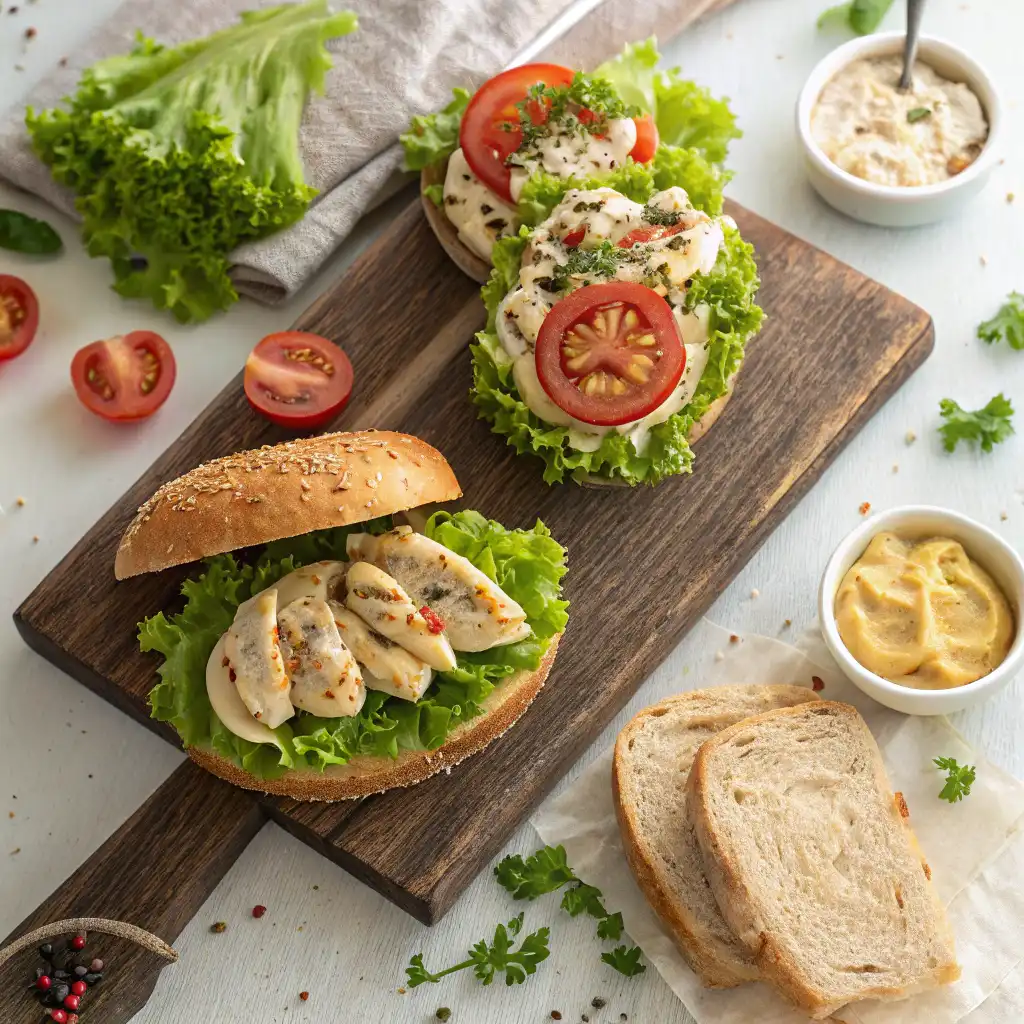
Start with toasted sourdough, pita, or whole-grain bread. Toasting lightly adds crunch and prevents sauces from soaking through. Spread a thin layer of hummus, Greek yogurt, or Dijon mustard to build moisture and depth.
Visual cue: Imagine a golden-brown sourdough slice with a glossy layer of hummus, ready to hold crisp lettuce.
Common mistake: Skipping the toast or overusing mayo. Too much moisture causes the sandwich to collapse and adds unnecessary fat.
Chef Tip: Combine 1 tablespoon of Greek yogurt with Dijon mustard for a creamy, protein-rich spread.
Semantic summary: A firm, lightly toasted base ensures stability and sets the stage for a healthy, flavorful sandwich.

Step 2 – Adding the Protein and Veggies
Next, stack your lean protein, such as grilled chicken, turkey slices, tuna salad, or boiled egg, followed by fresh greens like lettuce, spinach, and tomato slices.
Visual cue: Picture colorful layers grilled turkey, bright tomato slices, crisp spinach, and creamy avocado.
Common mistake: Piling too much protein without fiber. High protein but low veggies can slow digestion and increase sodium intake.
Did you know? According to the Harvard School of Public Health, balanced meals combining lean protein and fiber increase fullness for up to 4 hours.

Semantic summary: Combining protein with high-fiber vegetables improves satiety and nutrient absorption in every sandwich.
Step 3 – Flavor Boosters: Mustard, Hummus, or Greek Yogurt
Add your finishing layer of flavor, mustard, hummus, guacamole, or light cheese, to tie everything together. Choose healthy fats for flavor without excess calories.
Options to consider:
| Flavor Add-On | Benefit | Ideal Combination |
|---|---|---|
| Dijon Mustard | Zero fat, adds zest | Turkey or egg sandwiches |
| Hummus | Plant-based protein | Pita or veggie wraps |
| Greek Yogurt | Creamy texture, probiotics | Chicken or tuna |
| Guacamole | Healthy fats, fiber | BLT or breakfast sandwiches |
Visual cue: A spoon spreading vibrant green guacamole over the top layer before the sandwich is gently pressed and cut in half.
Common mistake: Using processed sauces or heavy cheese spreads that add excess sodium and trans fats.
Pro Tip: Replace traditional mayo with 2 tablespoons of Greek yogurt mixed with lemon juice and pepper for a light, tangy alternative.
Semantic summary: Flavor boosters like mustard, hummus, and Greek yogurt enhance taste while maintaining the health integrity of the sandwich.
Section Summary: The best healthy sandwich recipe follow a smart build sequence: toasted base, balanced layers of protein and greens, and flavorful yet wholesome spreads. Every component serves nutrition and taste together.
Variations and Substitutions
The beauty of healthy sandwich recipe lies in their adaptability. Whether you’re managing calories, cutting carbs, or going plant-based, you can personalize your sandwich without losing flavor or nutrition.
Low-Calorie Options for Weight Loss
If your goal is weight management, focus on low-fat spreads, lean proteins, and plenty of greens.
Best combinations for calorie control:
- Turkey and spinach on whole-grain bread: high in protein, under 350 kcal.
- Egg white and tomato on pita: satisfying and light for breakfast.
- Tuna and lettuce wrap: skip bread entirely by using crisp lettuce leaves.
Quick tip: Avoid cheese slices and switch to avocado or hummus for a creamy texture with healthy fats.
Expert Insight (CDC): Balanced meals containing protein and fiber improve long-term weight control and reduce hunger between meals.
Semantic summary: Low-calorie sandwiches rely on lean proteins, fiber-dense greens, and lighter spreads to support healthy weight loss.
Vegetarian and Vegan Alternatives
Plant-based sandwiches can be equally rich in flavor and nutrition. The key is to include protein from legumes, tofu, or dairy alternatives.
Creative vegetarian sandwich ideas:
| Base | Main Filling | Complementary Flavors |
|---|---|---|
| Whole-grain bread | Hummus and roasted vegetables | Add Dijon mustard for zest |
| Pita bread | Falafel or chickpea mash | Pair with Greek yogurt sauce |
| Sourdough | Grilled halloumi or avocado | Layer with tomato and spinach |
Pro Tip: For a vegan spread, combine mashed chickpeas with olive oil, lemon juice, and smoked paprika a creamy, flavorful mayo substitute.
Semantic summary: Vegan and vegetarian sandwich options use legumes, hummus, and fresh vegetables for balanced, plant-powered nutrition.
Breakfast and Lunch Sandwich Ideas
Healthy sandwiches fit perfectly into any meal of the day. For mornings, focus on eggs and fiber; for lunch, add heartier proteins like chicken or tuna.
Examples by meal type:
- Breakfast: egg and spinach sandwich on sourdough, served with apple slices.
- Lunch: grilled chicken wrap with lettuce, tomato, and Dijon mustard.
- Snack or light meal: Greek yogurt and cucumber pita pocket.
Chef Tip: Prepare ingredients in bulk and refrigerate them separately for up to three days for quick, fresh assembly.
Semantic summary: Adapting sandwiches for breakfast or lunch ensures balanced energy and convenience throughout the day.
Section Summary: From low-calorie turkey wraps to vegan hummus pitas, the best healthy sandwich recipe adapt easily to every diet, schedule, and craving without compromising nutrition.
Mistakes to Avoid When Making Healthy Sandwiches
Even nutritious recipes can lose their health benefits when small mistakes go unnoticed. Avoiding these common errors keeps your sandwiches balanced, fresh, and genuinely healthy.
Five Common Errors and Fixes
1. Overloading Sauces and Dressings
Using too much mayo or creamy sauce adds saturated fat and sodium.
✅ Fix: Use hummus, mustard, or Greek yogurt instead. These add flavor with fewer calories.
2. Ignoring Bread Quality
White bread lacks fiber and spikes blood sugar.
✅ Fix: Choose sourdough, whole-grain, or pita for steady energy and digestion support.
3. Skipping Vegetables
A sandwich without greens misses vital nutrients and fiber.
✅ Fix: Add lettuce, spinach, or tomato slices to boost antioxidants and hydration.
4. Using Processed Meats
Deli meats like salami and bologna are high in nitrates and sodium.
✅ Fix: Opt for fresh grilled chicken, turkey breast, or tuna.
5. Poor Ingredient Ratio
Too much protein or cheese can outweigh fiber and increase calories.
✅ Fix: Follow the 1:1.5 rule one part protein to one and a half parts vegetables.
Pro Tip: If meal prepping, assemble sandwiches just before eating. Store fillings and bread separately to preserve texture.
Semantic summary: Avoiding heavy sauces, refined bread, and processed meats ensures your healthy sandwiches stay light, fresh, and nutritionally sound.
Section Summary: By steering clear of these five mistakes, you enhance both flavor and nutrient density, transforming your everyday sandwiches into truly healthy meals.
Expert Tips and Tools for the Best Results
Healthy sandwich recipes aren’t just about ingredients success also depends on preparation methods, storage, and flavor balance. Nutritionists and chefs agree that thoughtful assembly and the right tools elevate both texture and nutrient retention.
Chef-Approved Flavor Combinations
Mastering flavor balance transforms a simple meal into a satisfying, crave-worthy sandwich. Combining protein, acid, crunch, and creaminess creates harmony in every bite.

Best expert combinations:
| Type | Ingredients | Flavor Profile |
|---|---|---|
| Classic Energy Boost | Chicken, spinach, tomato, Greek yogurt | Savory and refreshing |
| Mediterranean Style | Tuna, hummus, lettuce, olive oil | Rich and earthy |
| Breakfast Favorite | Egg, spinach, sourdough, mustard | Light and zesty |
| Lean & Green Wrap | Turkey, lettuce, guacamole, tomato | Creamy and balanced |
| High-Protein Power | Tuna, Greek yogurt, whole grain | Filling and low-fat |
Chef Tip: Pair protein with an acidic element (mustard, tomato, or apple slices) to enhance taste without needing extra salt or sauces.
Semantic summary: Balanced combinations of protein, acid, and fiber-rich ingredients make healthy sandwiches flavorful and nutrient-dense.
Tools That Simplify Meal Prep
Efficient tools reduce prep time and keep textures perfect, especially for meal planners or families on the go.
Recommended tools:
- Panini press or grill pan: creates a crisp crust and seals moisture.
- Sharp serrated knife: ensures clean cuts without squashing ingredients.
- Reusable meal containers: preserve freshness and prevent sogginess.
- Mini food processor: ideal for making hummus or Greek yogurt spreads.
Nutrition Insight (USDA): Toasting or grilling does not significantly alter nutrient value when done briefly, making it a safe way to enhance flavor.
Pro Tip: Prep multiple proteins (chicken, egg, tuna) on Sunday, then mix and match with different spreads for the week’s lunches.
Semantic summary: Using the right kitchen tools simplifies prep, prevents waste, and helps maintain the nutritional integrity of your healthy sandwiches.
Section Summary: Combining flavor balance with smart equipment ensures consistency, convenience, and culinary satisfaction across all healthy sandwich recipes.
Storage, Reuse.
Proper storage is essential to preserve freshness and nutrients in your healthy sandwich recipe. Following the right methods prevents sogginess and ensures safe reuse for meal prepping.
How to Store and Reuse Leftovers
Sandwiches can be refrigerated safely for up to two days when ingredients are stored separately. Bread, protein, and vegetables should each be kept in airtight containers to maintain texture.
Best practices for freshness:
- Bread: wrap in parchment or a dry paper towel to retain crispness.
- Protein fillings: refrigerate cooked chicken, tuna, or egg at 4°C (40°F) or below.
- Veggies: store lettuce, tomato, and spinach separately to prevent moisture buildup.
- Assembly tip: build sandwiches just before serving to preserve structure.
Chef Tip: If you plan to reheat, use a non-stick pan or sandwich press for 2 minutes instead of microwaving to avoid soggy bread.
Semantic summary: Storing ingredients separately and assembling fresh preserves both texture and nutritional value for every healthy sandwich.
FAQs
What is the healthiest sandwich you can eat?
A sandwich made with whole-grain bread, grilled chicken or turkey, spinach, tomato, and Greek yogurt spread is among the healthiest options. It’s rich in protein, fiber, and antioxidants while remaining under 400 calories.
How do you make a sandwich healthier?
Use whole-grain bread, lean protein, and plenty of greens. Replace mayo with hummus or Greek yogurt to lower fat and sodium without losing flavor.
How to make a healthy tasty sandwich?
Layer contrasting textures and flavors, crunchy lettuce, creamy spread, and tangy mustard. Add spices like black pepper or paprika for depth without extra calories.
Is a grilled sandwich healthy?
Yes, if you use whole-grain bread and minimal oil. Grilling enhances flavor without increasing calories, making it a smart, balanced option for lunch.
Section Summary: Proper storage and balanced ingredient preparation help your healthy sandwiches stay crisp, safe, and full of flavor for up to two days perfect for make-ahead lunches or meal prep.
Related Recipes
A great sandwich is more than a quick meal; it’s a balanced way to combine protein, fiber, and flavor for sustained energy and satisfaction.
If you’ve enjoyed exploring these healthy sandwich recipes, you’ll love experimenting with similar options that fit your taste and goals.
Related Recipes
Here are a few internal recipe pages that complement the ideas from this guide:
- The Perfect BLT for National Sandwich Day A crisp and colorful twist on the classic BLT, layered with fresh lettuce, ripe tomatoes, and smoky bacon for a quick family lunch.
- The Perfect BLT for National Sandwich Day A crisp and colorful twist on the classic BLT, layered with fresh lettuce, ripe tomatoes, and smoky bacon for a quick family lunch.
- Creative Grilled Cheese Sandwich to Try Discover unique grilled cheese combinations featuring creamy melts, crunchy veggies, and kid-approved comfort flavors.
- 10 Vegan Sandwich Ideas for National Sandwich Day Vibrant, plant-based sandwiches filled with hummus, avocado, and fresh veggies are nutritious and perfect for every lunch box.
Final Thoughts and Call to Action
Healthy sandwiches are proof that nutritious food doesn’t have to be bland or complicated. With just a few smart substitutions, such as using Greek yogurt instead of mayo, or whole-grain bread instead of white, you can turn a quick snack into a meal that supports your wellness goals.
Whether you’re preparing a protein-packed chicken wrap, a veggie pita, or a simple healthy lunch sandwich, the key is balance, variety, and freshness.

Try it today: pick your favorite combination, share your version on social media, and tag EasyUm Recipes to inspire others to enjoy healthy, delicious sandwiches every day.
Semantic summary: Healthy sandwich recipe offer endless creative options that combine nutrition, taste, and convenience, a perfect fit for National Sandwich Day or any day you crave something wholesome.
PrintHealthy Sandwich

A versatile guide to building healthy sandwiches that combine lean protein, whole grains, and fresh vegetables for balanced nutrition and flavor.
- Prep Time: 10 minutes
- Cook Time: 5 minutes
- Total Time: 15 minutes
- Yield: 1 sandwich
- Category: Lunch
- Method: Assembly
- Cuisine: Mediterranean
- Diet: Healthy
Ingredients
- Sourdough or whole-grain bread
- Lean protein (chicken, turkey, eggs, or tuna)
- Fresh greens (lettuce, spinach, tomato)
- Flavor boosters (hummus, Greek yogurt, Dijon mustard)
- Optional toppings (reduced-fat cheese, avocado)
Instructions
- Start with toasted bread to create a crispy base.
- Spread a thin layer of hummus, Greek yogurt, or mustard.
- Add your chosen lean protein and layer with fresh vegetables.
- Top with flavor boosters and additional toppings as desired.
- Assemble just before serving to preserve texture and freshness.
Notes
To avoid sogginess, keep wet ingredients separated until ready to serve.
Nutrition
- Serving Size: 1 sandwich
- Calories: 350
- Sugar: 3g
- Sodium: 400mg
- Fat: 10g
- Saturated Fat: 2g
- Unsaturated Fat: 8g
- Trans Fat: 0g
- Carbohydrates: 40g
- Fiber: 6g
- Protein: 25g
- Cholesterol: 40mg