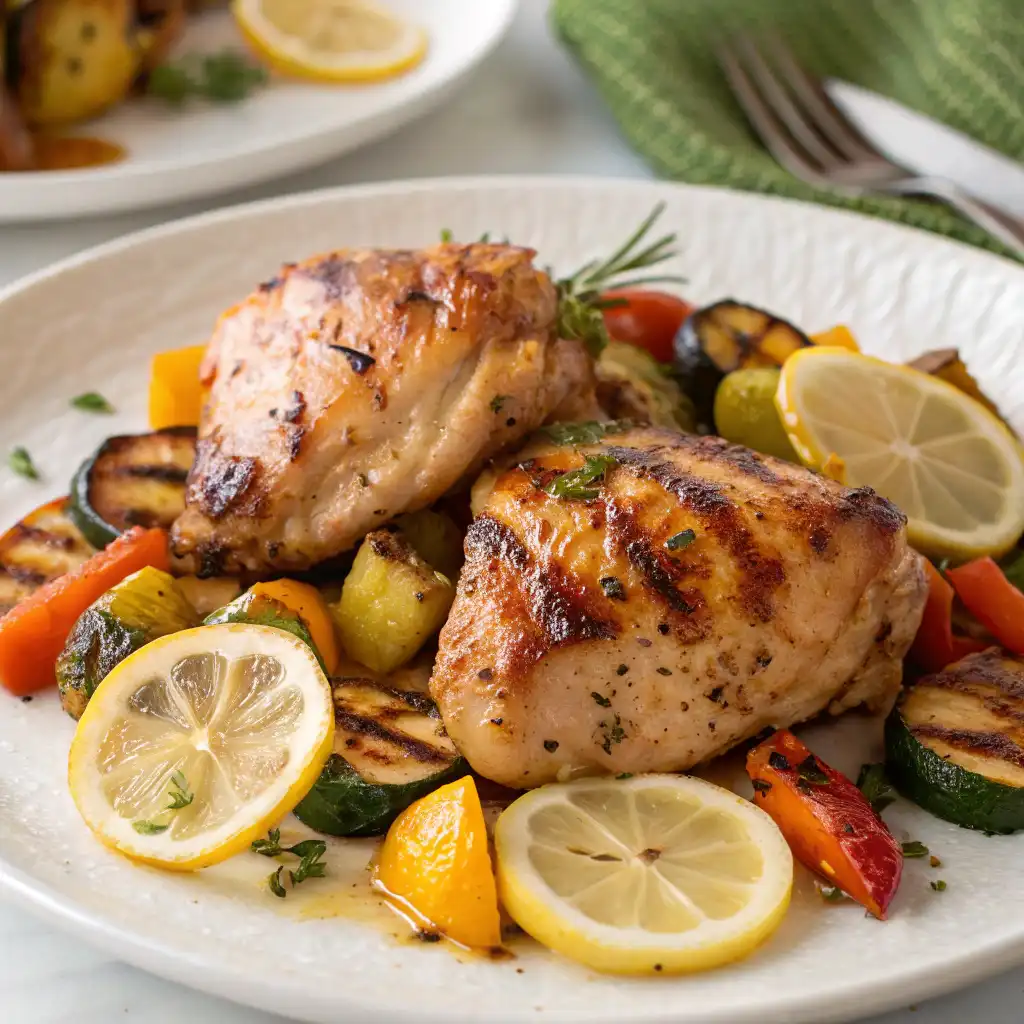
Chicken thighs are a flavorful and nutrient-dense protein that often get overlooked next to lean chicken breast.
In this comprehensive nutrition guide, you’ll explore:
- The complete nutrient breakdown of chicken thighs (calories, fat, and protein)
- Their health benefits compared with chicken breast
- Cooking tips that retain nutrients and flavor
- Smart substitutions, expert tools, and USDA-backed safety guidelines
You’ll also find answers to common questions about fat content, daily consumption, and dietary balance.
Quick Nutrition Snapshot, cooked, skinless, 100 g
| Nutrient | Amount | % Daily Value* |
|---|---|---|
| Calories | 209 kcal | – |
| Protein | 26 g | 52 % |
| Total Fat | 10 g | 14 % |
| Saturated Fat | 3 g | 15 % |
| Iron | 0.9 mg | 5 % |
| Zinc | 2.4 mg | 20 % |
| Vitamin B6 | 0.45 mg | 26 % |
| Niacin | 5.8 mg | 36 % |
*Percent Daily Values are based on a 2,000 calorie diet. Source: USDA FoodData Central.
Why It Matters
Protein and iron from chicken thighs are both bioavailable, meaning your body can absorb them efficiently.
This makes them ideal for anyone focusing on muscle recovery or combating fatigue.
Their moderate fat content adds flavor and satiety, helping you maintain consistent eating habits.
Comparison with Chicken Breast
| Nutrient, cooked, 100 g | Chicken Thigh | Chicken Breast |
|---|---|---|
| Calories | 209 kcal | 165 kcal |
| Protein | 26 g | 31 g |
| Total Fat | 10 g | 3.6 g |
| Iron | 0.9 mg | 0.4 mg |
| Zinc | 2.4 mg | 1 mg |
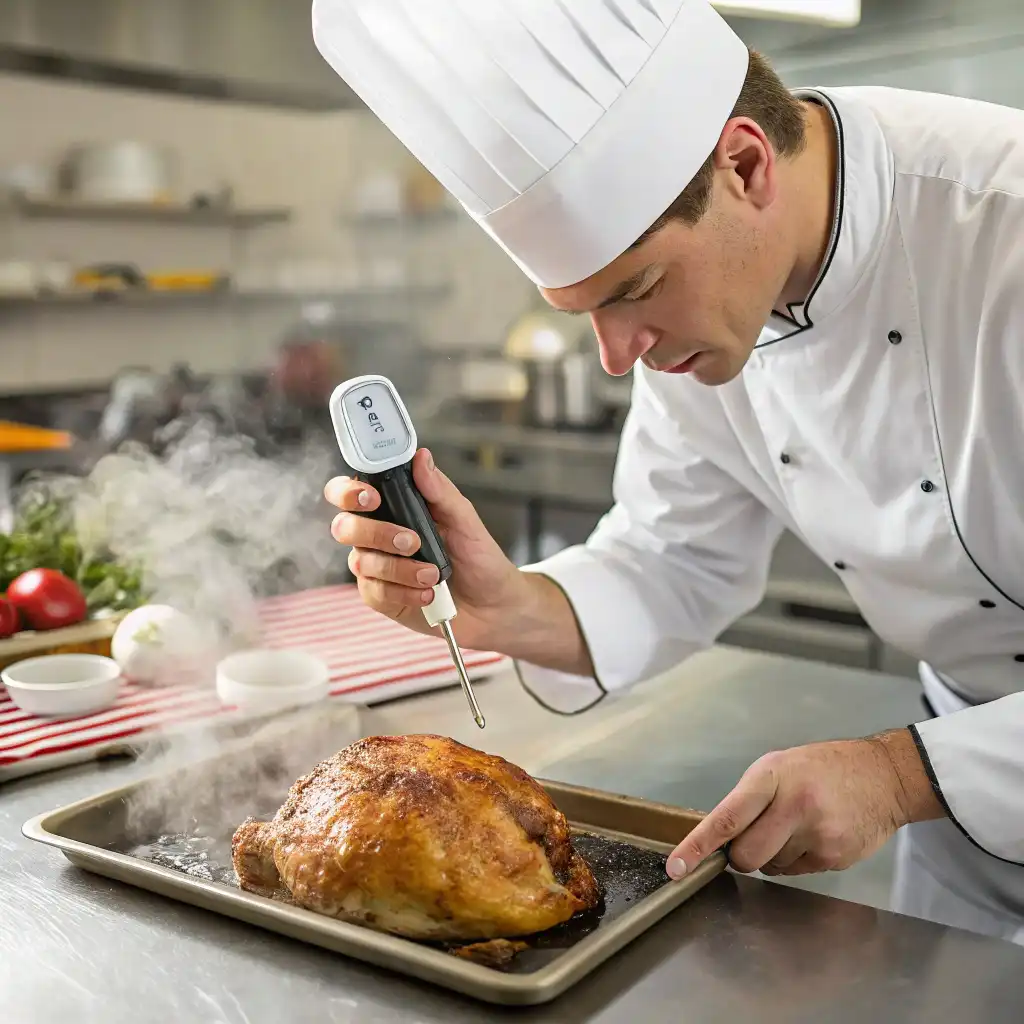
Regional note: bake at 375 °F (190 °C) for 25 to 30 minutes for tender results. In the UK and Europe, thighs may be labeled chicken leg fillets. In the MENA region, common marinades include yogurt, turmeric, cumin, and lemon.
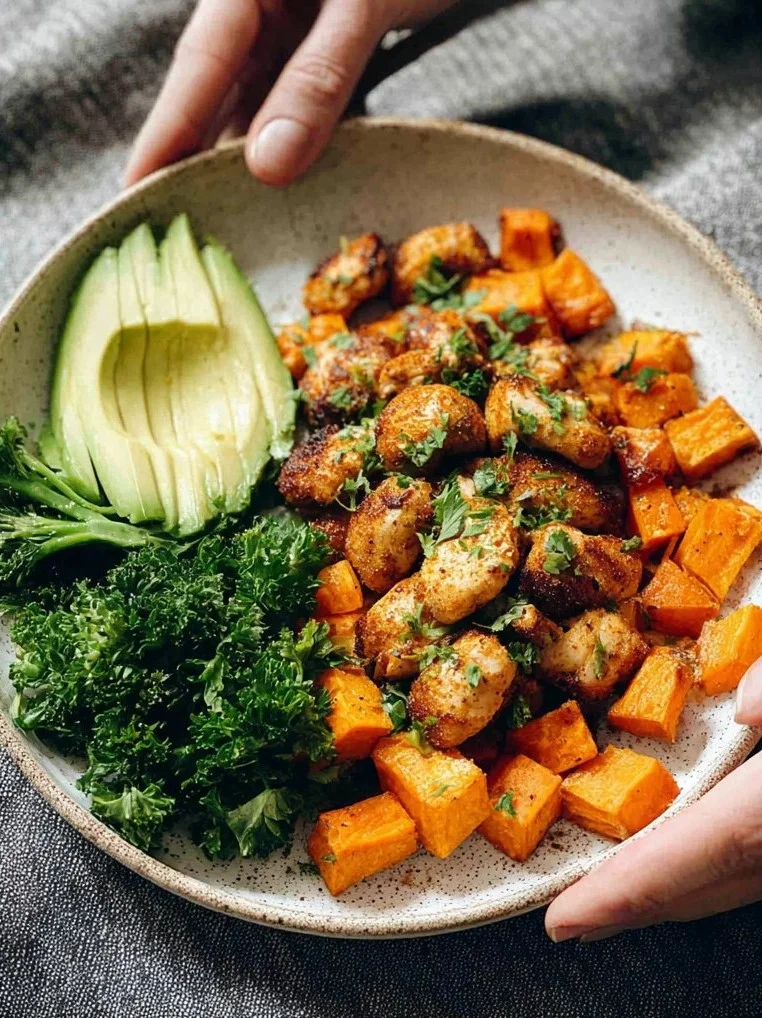
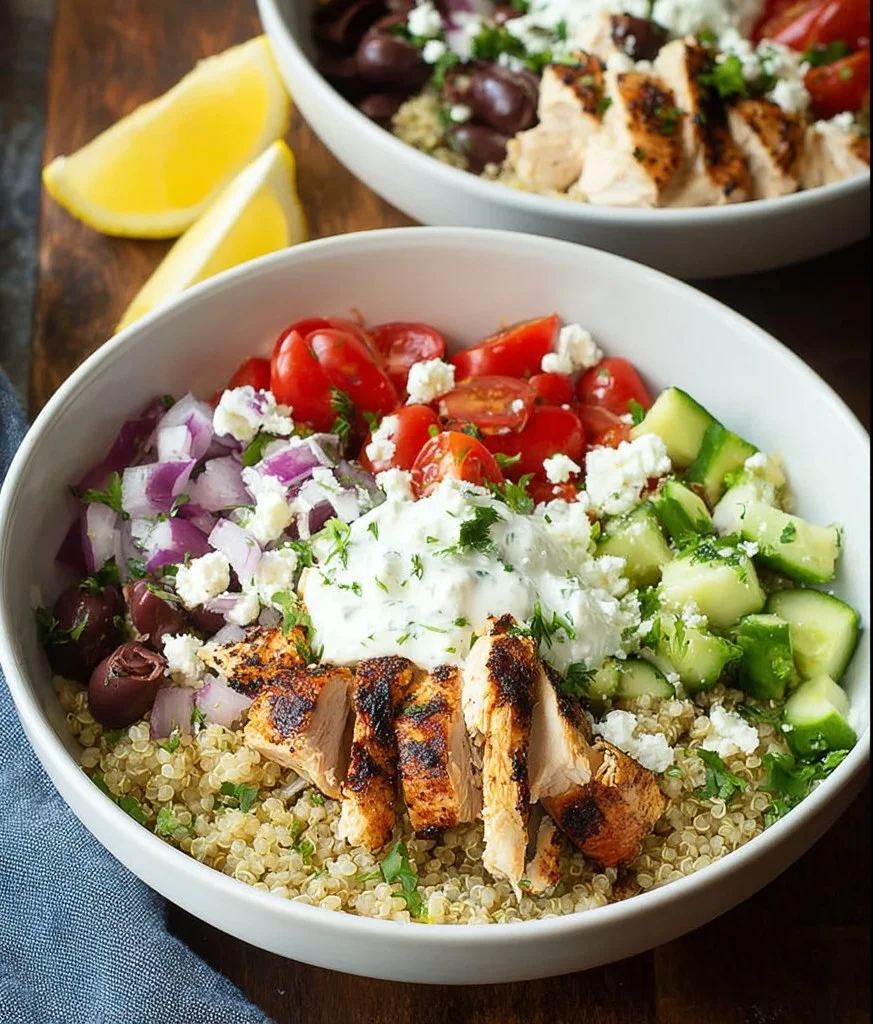
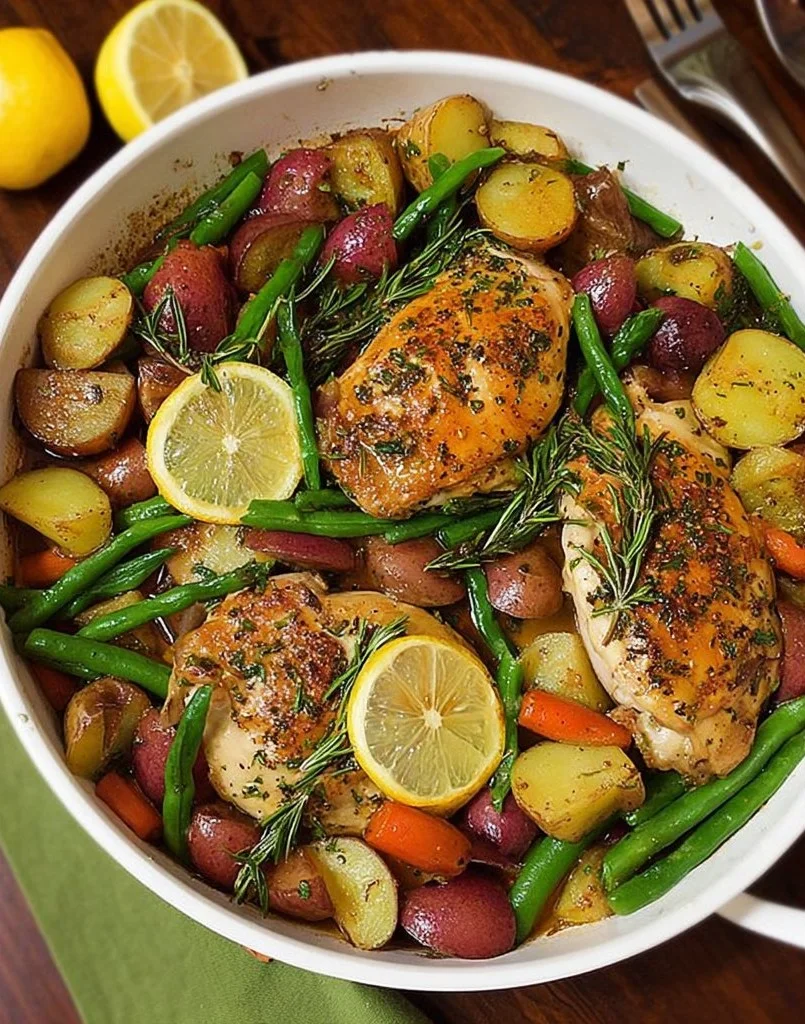
For an easy weeknight option, baked boneless chicken thighs offer juicy flavor with minimal prep. Simply season with garlic, paprika, and olive oil, then bake at 375°F (190°C) for about 25 minutes. This method keeps the meat tender while retaining more nutrients compared to pan-frying. Pair them with steamed vegetables or quinoa for a balanced, high-protein meal.
Summary: Chicken thighs combine flavor, protein density, and helpful minerals, making them a practical base for high protein meals.
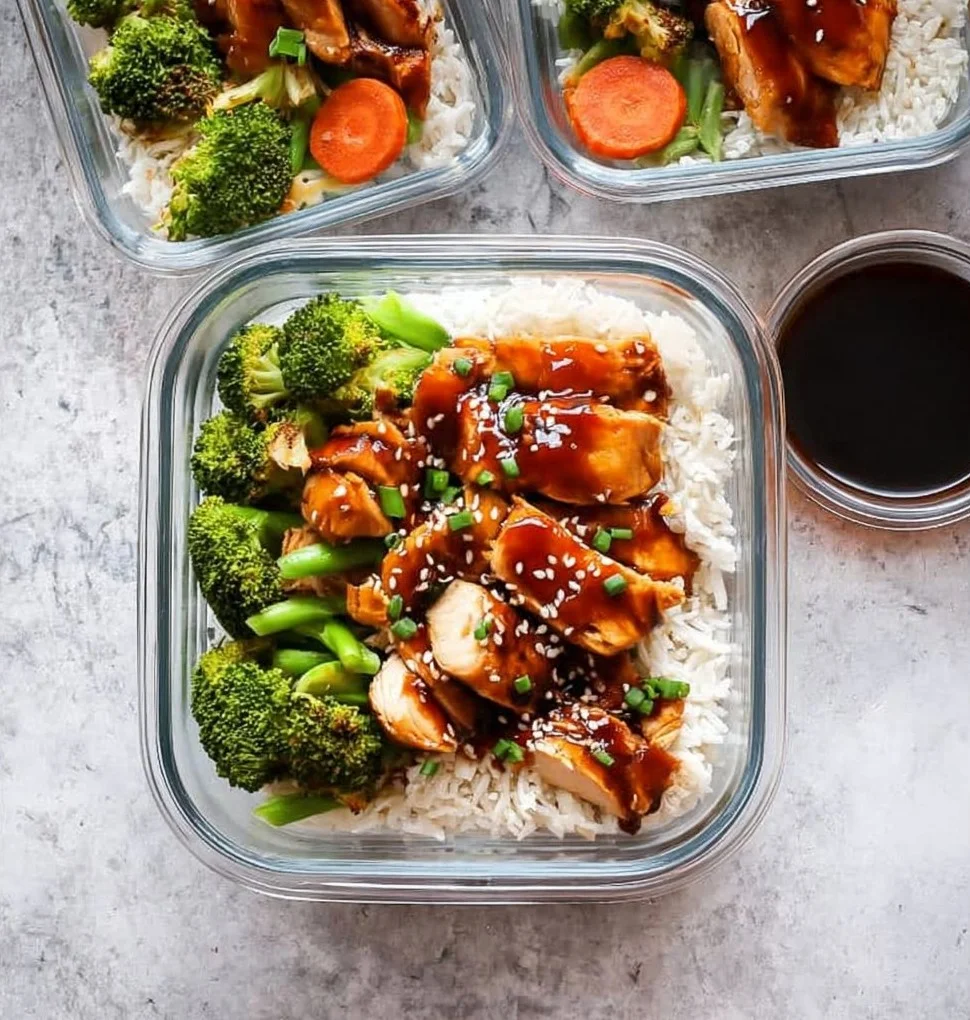
High Protein Meal Prep Lunch Ideas
Nutrition Benefits of Chicken Thighs
Chicken thighs support muscle repair, hormone function, and immune resilience. USDA data shows complete protein and useful minerals like zinc and iron. Compared with chicken breast, thighs offer deeper flavor and better satiety that helps long term diet adherence.
Key nutritional advantages
- High quality protein, about 26 g per 100 g.
- Iron and zinc for oxygen transport and immunity.
- Vitamin B6 and niacin for metabolism and brain health.
- Monounsaturated fats that support heart health.
- Connective tissue nutrients when cooked on the bone.
Expert note, Harvard Nutrition Source: Including moderate amounts of dark poultry meat supports diet quality through protein, zinc, and unsaturated fats when prepared with minimal added oil.
Thigh vs breast at a glance
| Nutrient, cooked, 100 g | Chicken Thigh | Chicken Breast |
|---|---|---|
| Calories | 209 kcal | 165 kcal |
| Protein | 26 g | 31 g |
| Total Fat | 10 g | 3.6 g |
| Saturated Fat | 3 g | 1 g |
| Iron | 0.9 mg | 0.4 mg |
| Zinc | 2.4 mg | 1 mg |
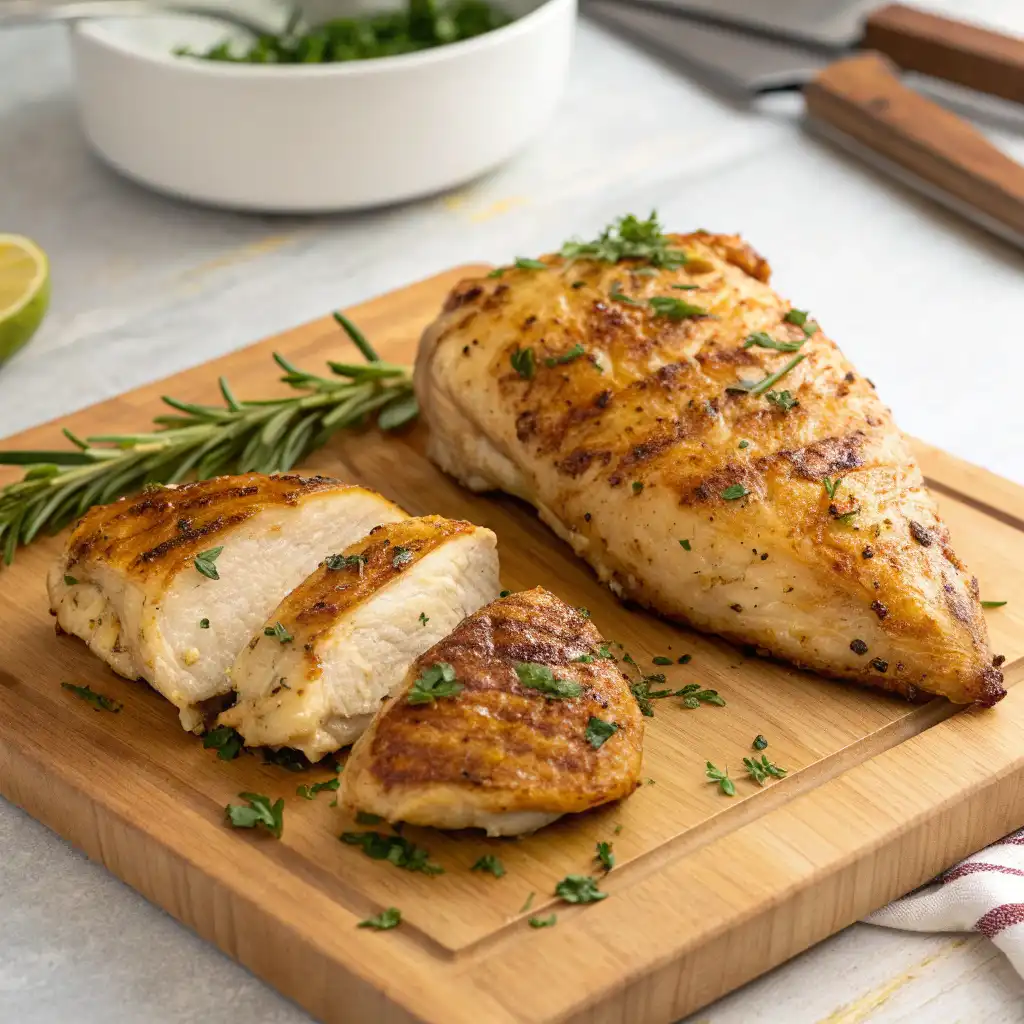
Summary: Thighs trade a small calorie increase for higher iron, zinc, and flavor, which can improve satisfaction and nutrition balance.
How to Cook Chicken Thighs for Maximum Nutrition.
Method determines texture and nutrient retention. Choose baking, grilling, or air frying to protect protein structure while keeping fat in check. Use a thermometer to avoid overcooking.
Step 1. Choose the right cut
- Action: Pick fresh, skinless thighs with firm texture.
- Expected result: Clean flavor and lower saturated fat.
- Common mistake: Pre marinated cuts that add salt and sugars.
- Chef tip: Air chilled labels help even cooking.
Boneless Skinless Chicken Thighs in Oven Recipe
Step 2. Prep for cooking
- Action: Pat dry, season with salt, pepper, and herbs.
- Expected result: Even browning and deeper flavor.
- Common mistake: Skipping the drying step.
- Chef tip: Marinate 30 minutes in yogurt or lemon.
Step 3. Choose a healthy cooking method
Bake at 375 °F, 190 °C, for 25 to 30 minutes, grill over medium heat, or air fry at 190 °C, 375 °F. Use a thermometer and pull at 165 °F, 74 °C.
| Method | Average time | Texture | Notes |
|---|---|---|---|
| Oven baked | 25 to 30 min | Juicy and tender | Great for batch cooking |
| Air fried | 20 min | Crispy outside | No extra oil needed |
| Grilled | 6 to 7 min per side | Smoky and light | Watch for flare ups |
Step 4. Rest and plate
- Action: Rest 5 minutes before slicing.
- Expected result: Juices redistribute for tender bites.
- Common mistake: Cutting too early.
- Chef tip: Tent with foil to retain heat.
Cooking visual cues, mini guide
| Indicator | What you should see | Why it matters |
|---|---|---|
| Even browning | Deep golden surface | Flavor development |
| Juices run clear | No pink at the bone | Food safety |
| Savory aroma | Nutty and meaty | Proper Maillard reaction |
One of the most popular flavor combinations is honey garlic chicken thighs. A simple glaze made with honey, soy sauce, minced garlic, and a dash of apple cider vinegar creates a perfect balance of sweetness and savoriness. Bake or grill them for a caramelized coating that locks in moisture while keeping the dish relatively low in fat.
Summary: Gentle heat, correct timing, and brief resting lock in nutrients and flavor for reliable, juicy results.
Simple Baked Boneless Skinless Chicken Thighs
Variations and Substitutions
There are countless chicken thigh recipes that highlight the versatility of this cut. From Mediterranean herb rubs to spicy Asian marinades, thighs adapt beautifully to global cuisines. Their natural richness makes them perfect for grilling, roasting, or slow cooking without drying out, offering endless healthy meal ideas for every diet plan.
Adapt chicken thighs to any diet or cuisine. Use the ideas below to keep meals interesting while meeting calorie and macro goals.
For different dietary goals
- Vegan alternative: Marinated tofu, tempeh, or seitan for umami and protein.
- Gluten free: Skip breading and use almond flour or crushed rice crackers.
- Low carb or keto: Season with olive oil, garlic, and herbs.
- Low fat: Use skinless thighs and bake or grill.
- Budget friendly: Buy bone in and debone at home.
5 High Protein Chicken Recipes You Need to Try
Regional substitutions and flavor profiles
| Region | Common style | Key ingredients | Healthy adaptation |
|---|---|---|---|
| US and Canada | BBQ grilled | Paprika, mustard | Swap sugar rubs for herbs |
| UK and Europe | Roasted with garlic and thyme | Olive oil, rosemary | Use less oil and add lemon zest |
| MENA region | Spiced and marinated | Cumin, turmeric, yogurt | Bake instead of fry |
| Asia Pacific | Soy and ginger style | Soy, sesame, ginger | Use low sodium soy and air fry |
Cooking variants and nutrient impact
| Variant | Calories, 100 g | Protein | Fat | Method |
|---|---|---|---|---|
| Skinless | 209 kcal | 26 g | 10 g | Baked or grilled |
| With skin | 229 kcal | 24 g | 13 g | Oven roasted |
| Air fried | 210 kcal | 26 g | 9 g | Air fryer at 190 °C |
| Braised | 215 kcal | 25 g | 11 g | Slow cooked |
Summary: Skinless and air fried options give the best calorie to protein ratio, while regional styles keep meals exciting and balanced.
Boneless Skinless Chicken Thighs in Air Fryer and High Protein Vegetarian Lunches
Mistakes to Avoid When Cooking Chicken Thighs
Small errors can reduce tenderness and flavor. Use this checklist to keep texture and nutrition on point.
Checklist and fixes
- Temperature: Always cook to 165 °F, 74 °C. Rest 5 minutes.
- Over marinating: Limit acidic marinades to 2 hours.
- Excess oil: Brush lightly or use spray. Air fry when possible.
- Skipping dry: Pat dry for better browning.
- Cutting early: Wait before slicing to retain juices.
- Unbalanced seasoning: Use herbs and spices, not salt alone.
- Crowding pans: Use a rack for airflow.
- Storage errors: Chill within 2 hours and label.
Pistachio Pesto Recipe and Homemade Pesto, The Ultimate Beginner’s Guide
Summary: Measure heat, control marinades and oil, and store correctly to protect flavor and food safety.
Expert Tips and Tools for Juicy, Healthy Chicken Thighs
Precision tools and small tweaks improve both taste and nutrition. Adopt these habits for consistent, high quality results.
Tools that make a difference
- Digital meat thermometer
- Cast iron skillet
- Air fryer
- Wire rack and sheet pan
- Meal prep containers
Chef level flavor techniques
- Use yogurt or lemon marinades for tender texture.
- Brine with a 5 percent salt solution for moisture.
- Season under the skin when cooking skin on.
- Rest 5 to 10 minutes before slicing.
Nutrition optimization tips
| Goal | Technique | Reason |
|---|---|---|
| Higher protein yield | Cook skinless, trim visible fat | Improves protein density |
| Lower fat intake | Air fry instead of pan fry | Keeps texture with less oil |
| Micronutrient boost | Pair with vitamin C foods | Improves iron absorption |
| Meal prep efficiency | Batch cook and freeze portions | Prevents waste and saves time |
Summary: The right tools, careful seasoning, and smart sides deliver juicy texture and strong nutrition with minimal effort.
High Protein Lunch Recipes and High Protein Salads
Storage and Food Safety, USDA Guidelines.
Handle and store chicken correctly to prevent illness. Follow these USDA and CDC aligned steps for reliable food safety at home.
Safe storage guidelines
- Refrigerate within 2 hours. Keep at or below 40 °F, 4 °C, for up to 4 days.
- Freeze at 0 °F, minus 18 °C, for up to 4 months.
- Thaw in the refrigerator, not on the counter.
- Reheat to 165 °F, 74 °C, before eating.
For meal prep or family dinners, a chicken and rice casserole using skinless chicken thighs is both hearty and economical. Combine cooked rice, sautéed vegetables, and shredded thighs in a single baking dish with light cream or broth. Bake until golden and bubbling for a comforting, nutrient-balanced one-pan meal.
Do and do not safety table
| Do | Do not |
|---|---|
| Use sealed containers | Leave uncovered in the fridge |
| Label with dates | Guess freshness by smell |
| Reheat once to 165 °F | Reheat many times |
| Keep raw and cooked separate | Mix raw juices with cooked meat |
| Sanitize boards and knives | Reuse tools that touched raw poultry |
Freezing and reheating tips
| Storage type | Duration | Best practice |
|---|---|---|
| Refrigerator | Up to 4 days | Keep sealed and labeled |
| Freezer | Up to 4 months | Wrap tightly to prevent freezer burn |
| Thawed chicken | Use within 24 hours | Never refreeze raw poultry |
| Reheated meals | Consume right away | Add broth or olive oil for moisture |
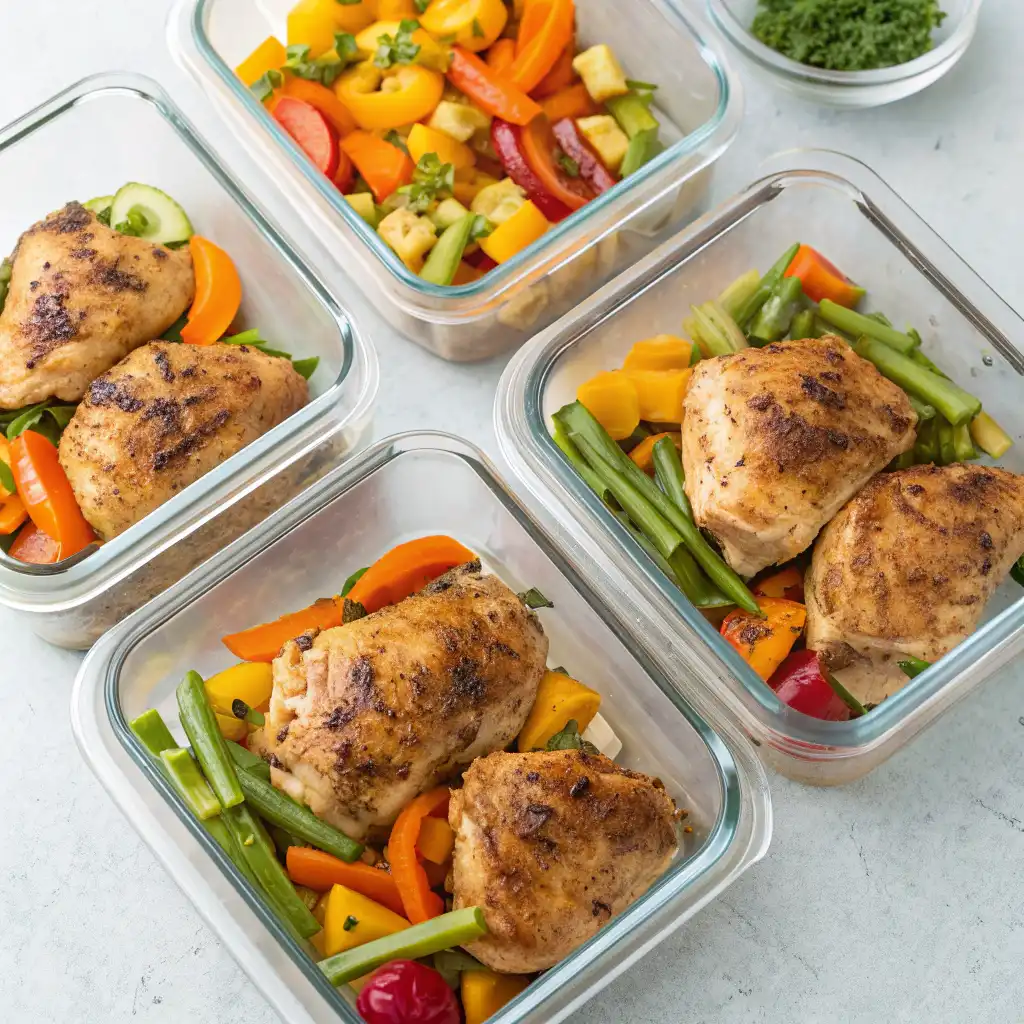
Summary: Temperature control, clean separation of raw and cooked foods, and clear labels protect both flavor and health.
Oven Baked Thighs and Meal Prep Lunch Ideas
FAQs:
What are the nutrients in chicken thighs? Chicken thighs are rich in protein, iron, zinc, and B vitamins. A 100 gram serving gives about 26 g protein and 10 g healthy fat.
Why are chicken thighs healthier than chicken breast? Thighs contain more iron, zinc, and monounsaturated fat. When cooked skinless, they stay nutrient-dense and satisfying.
Is chicken thigh too much fat? No. Skinless thighs have about 10 g fat per 100 g, mostly unsaturated. This supports vitamin absorption and satiety.
Can I eat chicken thighs daily? Yes, if you use low-fat methods and pair them with vegetables and grains. Rotate proteins for variety.
Summary: These quick answers address key user questions for voice and featured snippets while guiding readers to detailed internal resources.
PrintBaked Boneless Skinless Chicken Thighs
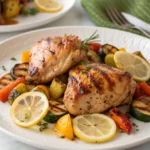
Juicy and flavorful baked boneless skinless chicken thighs, perfect for easy weeknight meals and high-protein lunches.
- Prep Time: 10 minutes
- Cook Time: 30 minutes
- Total Time: 40 minutes
- Yield: 4 servings
- Category: Main Course
- Method: Baking
- Cuisine: American
- Diet: Paleo
Ingredients
- 4 boneless skinless chicken thighs
- 1 tablespoon olive oil
- 2 cloves garlic, minced
- 1 teaspoon paprika
- Salt and pepper to taste
- Optional herbs (e.g., thyme or rosemary)
Instructions
- Preheat oven to 375°F (190°C).
- Pat chicken thighs dry and season with olive oil, garlic, paprika, salt, and pepper.
- Place thighs on a baking sheet.
- Bake for 25 to 30 minutes or until internal temperature reaches 165°F (74°C).
- Rest for 5 minutes before slicing and serving.
Notes
For added flavor, marinate the chicken in yogurt or lemon for 30 minutes before baking.
Nutrition
- Serving Size: 1 thigh
- Calories: 209
- Sugar: 0g
- Sodium: 80mg
- Fat: 10g
- Saturated Fat: 3g
- Unsaturated Fat: 7g
- Trans Fat: 0g
- Carbohydrates: 0g
- Fiber: 0g
- Protein: 26g
- Cholesterol: 75mg