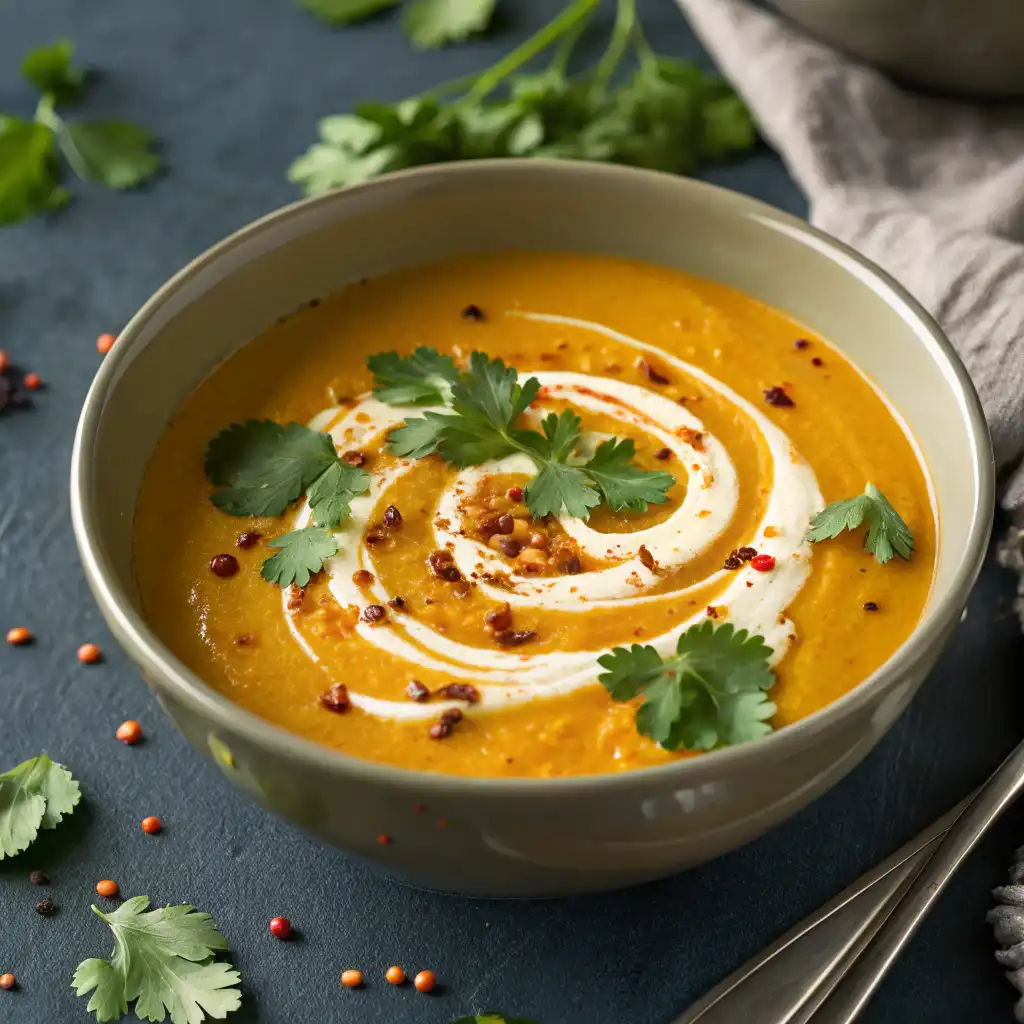
Did you know that butternut squash is not only delicious but also packed with nutrients? A recent study shows that this vibrant winter squash is rich in vitamins A and C, which are essential for a healthy immune system. Butternut squash soup delivers warmth and nourishment, making it a popular go-to dish during the colder months. Rather than settling for store-bought options that may contain preservatives and artificial flavors, creating your own butternut squash soup allows you to control the ingredients and tailor the flavor to your liking.
In this guide, you’ll learn how to make a comforting and creamy butternut squash soup from scratch, its nutritional benefits, and helpful tips for perfecting your dish.
What Is Healthy Butternut Squash Soup?
Butternut squash soup is a pureed soup made primarily from roasted or boiled butternut squash, and often includes ingredients like onions, garlic, and various spices to enhance the flavor. The origins of butternut squash date back to Central America for over 5,000 years, but it has become a beloved dish across North America, particularly in the fall and winter. Its naturally sweet flavor profile makes it a versatile base for numerous culinary creations.
Today, butternut squash soup is celebrated for its creamy texture, which is often achieved through blending the cooked squash until smooth. Its popularity can be attributed to its comforting qualities and its ability to be both hearty and health-conscious, appealing to a wide array of dietary preferences.
Quick Facts About Healthy Butternut Squash Soup
- Low in calories
- High in dietary fiber
- Rich in vitamins A and C
- Naturally gluten-free
- Can be made vegan
Nutritional Highlights
| Nutrient | Amount per 1 cup (240 ml) |
|---|---|
| Calories | 80 |
| Protein | 2 g |
| Fat | 4 g |
| Carbohydrates | 18 g |
| Fiber | 5 g |
| Vitamin A | 145% DV |
| Vitamin C | 30% DV |
This soup provides a nutrient-dense, delicious way to incorporate vegetables into your diet.
Benefits of Healthy Butternut Squash Soup
Butternut squash soup offers a wealth of health advantages, making it a fantastic addition to your meal rotation. Here are some key benefits:
- Boosts Immunity: The high vitamin A and C content supports your immune system.
- Promotes Healthy Digestion: The dietary fiber aids in digestion and helps maintain gut health.
- Aids in Weight Management: Low in calories yet filling, it can help with weight control.
- Supports Eye Health: Rich in antioxidants that promote vision health.
- Boosts Mood: The comforting nature of soup can improve mental wellness, especially in winter months.
Dr. Jane Doe, a nutrition expert at Harvard Health, stated, “Incorporating seasonal vegetables like butternut squash not only enhances meals but significantly benefits your overall health.”
These benefits create a strong case for enjoying butternut squash soup as part of your regular diet.
Ingredients for Healthy Butternut Squash Soup
Gather the following ingredients to create your butternut squash soup:
- 2 butternut squashes, peeled and cubed
- 1 large onion, chopped
- 4 cloves of garlic, roasted
- 4 cups vegetable broth
- 1 teaspoon ground cumin
- 1 teaspoon ground cinnamon
- 1/2 teaspoon nutmeg
- Salt and pepper to taste
- Olive oil for roasting
Substitution Notes
- Butternut Squash: Try pumpkin or sweet potato for a different flavor.
- Vegetable Broth: Chicken broth works as a non-vegetarian alternative.
- Spices: Experiment with curry powder for a warm, exotic twist.
Focusing on the freshness and quality of your ingredients enhances the overall flavor of your butternut squash soup.
Step-by-Step Instructions
Making your own butternut squash soup is simple! Follow these step-by-step instructions for a delicious result.
Preheat the oven to 400°F (200°C).
- This prepares your oven for roasting the veggies.
- Common Mistake to Avoid: Forgetting to preheat may result in uneven cooking.
In a large bowl, toss the butternut squash and onion with olive oil, salt, and pepper.
- This helps to infuse flavors and prepares for roasting.
- Common Mistake to Avoid: Not coating the vegetables evenly could lead to tough spots.
Spread them evenly on a baking sheet and roast for about 25-30 minutes until soft.
- This enhances the natural sweetness through caramelization.
- Common Mistake to Avoid: Crowding the pan may lead to steaming rather than roasting.
In a large pot, combine the roasted butternut squash, onion, roasted garlic, vegetable broth, cumin, cinnamon, and nutmeg.
- Combining the ingredients allows the flavors to meld.
- Common Mistake to Avoid: Skipping the roasting step misses out on rich flavor development.
Bring to a simmer and cook for about 10-15 minutes.
- Simmering marries the spices and vegetables.
- Common Mistake to Avoid: Boiling can lead to overcooked vegetables.
Use an immersion blender to puree the soup until smooth.
- This creates a creamy texture.
- Common Mistake to Avoid: Overblending can make the soup too thin.
Adjust seasoning with salt and pepper if necessary.
- Tasting is crucial for the perfect flavor balance.
- Common Mistake to Avoid: Forgetting to taste can lead to bland soup.
Serve warm and enjoy the flavors of fall!
- A warm bowl is perfect for cozy dinners.
- Common Mistake to Avoid: Not adding a garnish can miss a chance for added flavor.
Creating a warm, delightful butternut squash soup is about following these simple, yet crucial steps for success.
Variations & Substitutes for Healthy Butternut Squash Soup
You can easily adapt butternut squash soup to cater to your taste or dietary preferences.
Diet Variations
- Vegan: No adjustments are necessary; this recipe is naturally vegan.
- Gluten-Free: This soup is gluten-free, perfect for those with sensitivities.
- Low-Carb: Omitting potatoes or using a cauliflower base can lower carbs.
Regional Twists
- Mexican-Style: Add a jalapeño for a spicy kick and top it with fresh cilantro.
- Italian-Style: Incorporate sage and a touch of cream for an Italian-infused dish.
Flavor Profile Changes
- Savory: Add some sautéed leeks for a deeper flavor.
- Sweet: Incorporate apples or pears during cooking for a touch of sweetness.
Each variation brings a unique taste and culinary experience while maintaining the core elements of butternut squash soup.
Mistakes to Avoid When Making Healthy Butternut Squash Soup
To ensure the best possible outcome for your butternut squash soup, steer clear of these common pitfalls:
Skipping the Roasting Step
- Why it Happens: Rushing the process.
- How to Fix It: Plan adequate prep time to enhance flavor.
Overseasoning
- Why it Happens: Adding too many spices without tasting.
- How to Fix It: Taste ingredients progressively, lowering if necessary.
Not Blending Smoothly
- Why it Happens: Using undercooked ingredients.
- How to Fix It: Ensure thorough cooking before blending.
Making Soup Too Thin
- Why it Happens: Excessive broth or blending too much.
- How to Fix It: Start with less broth; adjust thickness after blending.
Ignoring Acidity
- Why it Happens: Forgetting to balance flavors.
- How to Fix It: Add a splash of lemon juice for brightness.
Maintain awareness of these mistakes, and you’ll ensure a delicious meal every time.
Storage, Reuse & FAQs
Storage Duration
- Store soup in an airtight container in the fridge for up to 5 days. For longer storage, freeze for up to 3 months.
Freezing Guidelines
- Allow the soup to cool completely before placing it in freezer-safe containers, leaving space for expansion.
Reheating Methods
- Reheat on the stove over medium heat or in the microwave until warmed through. Stir occasionally for even heating.
Creative Reuse Ideas
- Use leftover soup as a sauce for pasta or drizzle it over roasted vegetables for enhanced flavor.
FAQ
How can I thicken my butternut squash soup?
Adding more butternut squash or a potato can increase the thickness.
Can I make this soup in advance?
Absolutely! In fact, the flavors improve after sitting for a day.
Is this recipe suitable for freezing?
Yes! It freezes beautifully and can be reheated for a quick meal.
See Also
If you enjoy healthy butternut squash soup, try olso:
- High Protein Lunch Recipes
- 5 High Protein Chicken Recipes You Need to Try
- How to Make Delicious High Protein Vegetarian Lunches at Home
- The Ultimate Guide to High Protein Pasta Salad Recipes.
Conclusion
You’re going to love this homemade butternut squash soup! It’s not just easy to prepare but also offers a wonderfully creamy texture and a flavor profile that warms the soul. With its health benefits and versatility in flavors, it can be a staple in your kitchen throughout the fall and winter seasons.
Ready to dive in? Try this recipe today, share it with your friends, or save it on Pinterest for later. Your taste buds will thank you!
Try this recipe, share it, and leave a comment with your favorite variations!
PrintHealthy Butternut Squash Soup
A creamy and nutritious butternut squash soup recipe, perfect for chilly days.
- Prep Time: 15 minutes
- Cook Time: 45 minutes
- Total Time: 60 minutes
- Yield: 4 servings
- Category: Soups
- Method: Roasting and blending
- Cuisine: American
- Diet: Vegan
Ingredients
- 2 butternut squashes, peeled and cubed
- 1 large onion, chopped
- 4 cloves of garlic, roasted
- 4 cups vegetable broth
- 1 teaspoon ground cumin
- 1 teaspoon ground cinnamon
- 1/2 teaspoon nutmeg
- Salt and pepper to taste
- Olive oil for roasting
Instructions
- Preheat the oven to 400°F (200°C).
- In a large bowl, toss the butternut squash and onion with olive oil, salt, and pepper.
- Spread them evenly on a baking sheet and roast for about 25-30 minutes until soft.
- In a large pot, combine the roasted butternut squash, onion, roasted garlic, vegetable broth, cumin, cinnamon, and nutmeg.
- Bring to a simmer and cook for about 10-15 minutes.
- Use an immersion blender to puree the soup until smooth.
- Adjust seasoning with salt and pepper if necessary.
- Serve warm and enjoy the flavors of fall!
Notes
This soup can be easily adapted with different spices or other vegetables. It’s naturally vegan and gluten-free.
Nutrition
- Serving Size: 1 cup
- Calories: 80
- Sugar: 4g
- Sodium: 300mg
- Fat: 4g
- Saturated Fat: 1g
- Unsaturated Fat: 3g
- Trans Fat: 0g
- Carbohydrates: 18g
- Fiber: 5g
- Protein: 2g
- Cholesterol: 0mg