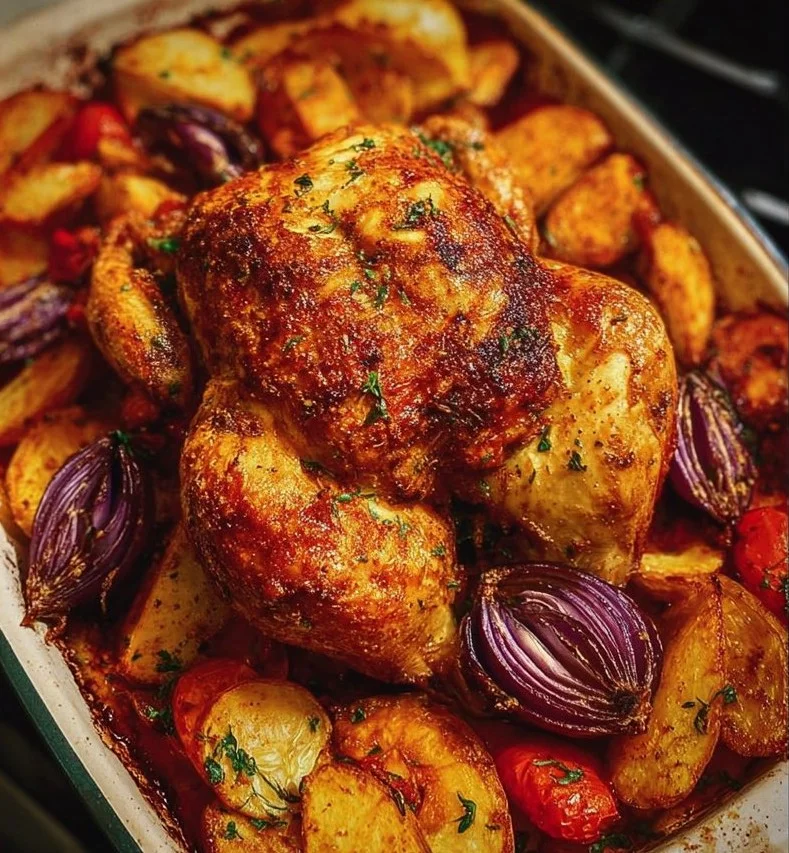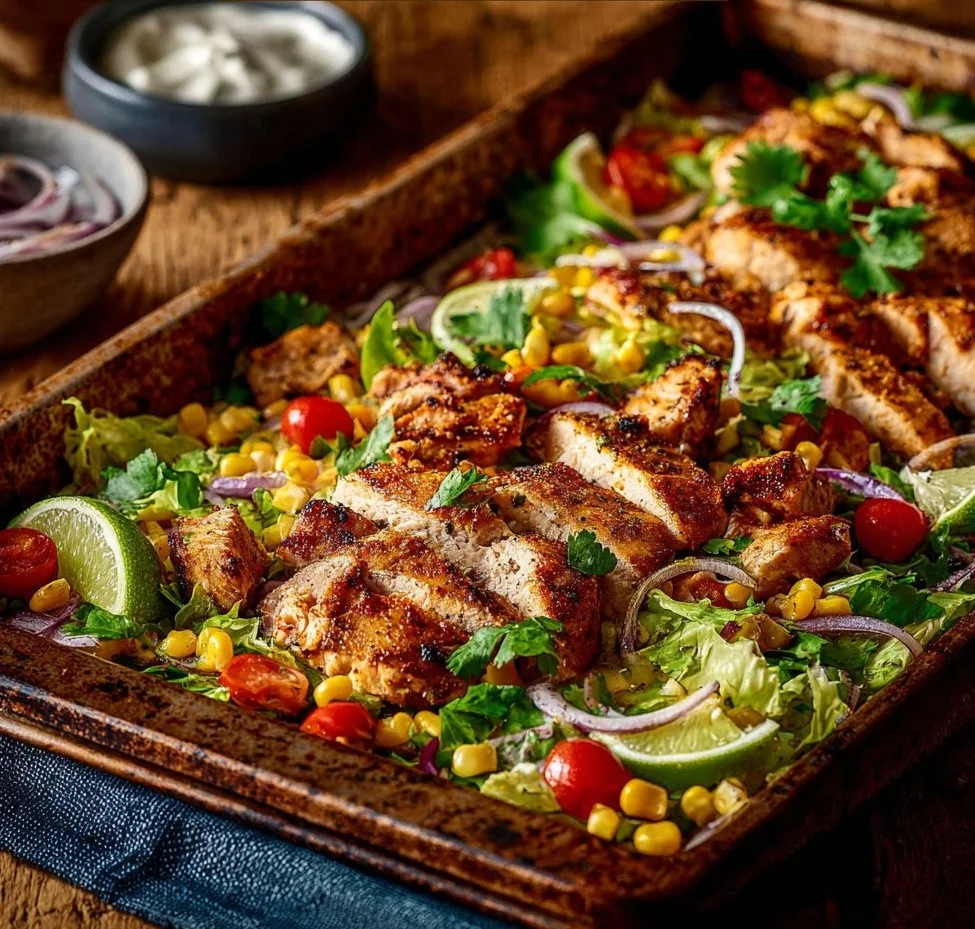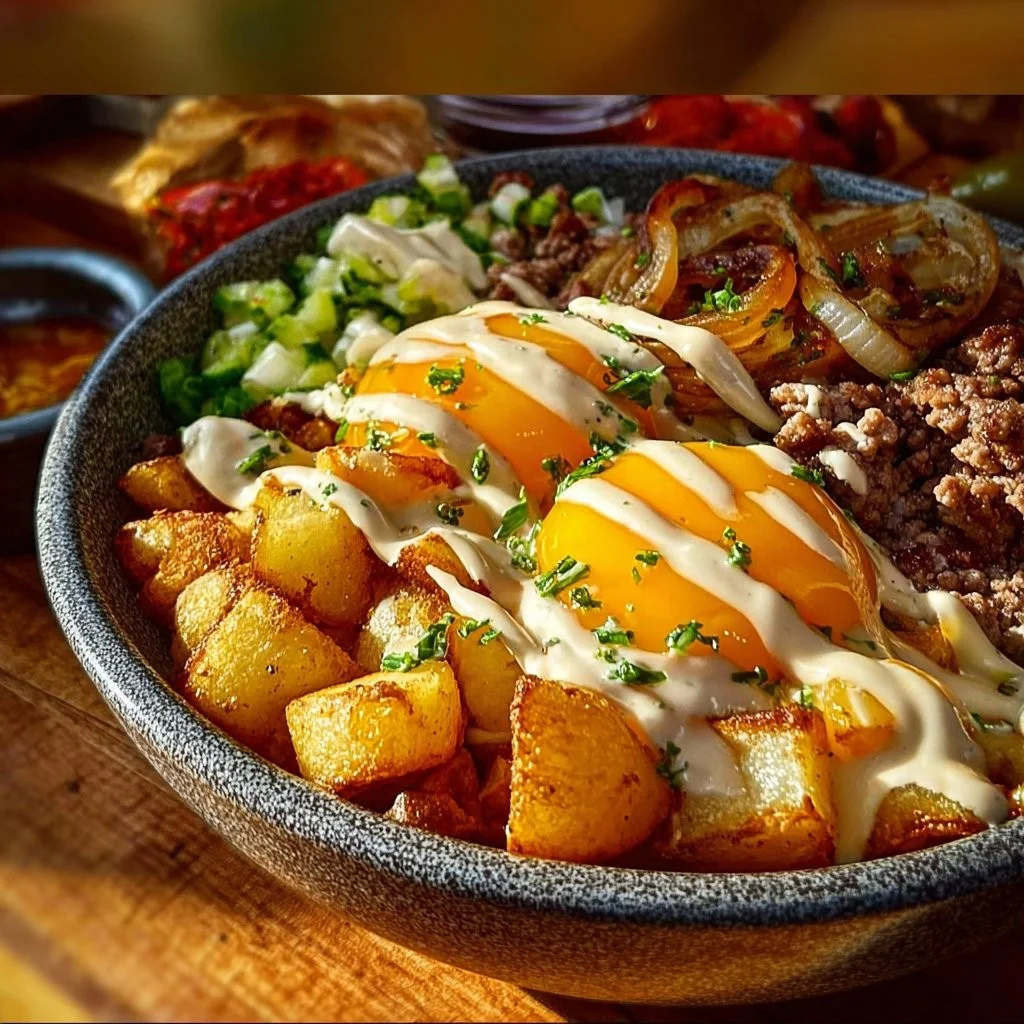
Did you know vegetables roasted at high heat can yield up to 40% more natural sugars on the surface, creating deep caramelization and savory-sweet flavors? Baked Caramelized Vegetables are a simple, crowd-pleasing side, and this guide focuses on technique and timing to get perfect browning every time.
This step-by-step guide to Baked Caramelized Vegetables is concise, tested, and optimized for busy weeknights and entertaining. Our approach beats vague recipes because we explain why each choice matters and show exact temps, times, and adjustments for different veggies. In this guide, you’ll learn how to roast, season, and store caramelized vegetables for maximum flavor and minimal fuss.
For a creamy, protein-rich side that pairs well with roasted vegetables, see our baked cottage cheese eggs recipe for a simple, complementary dish.
What Is Baked Caramelized Vegetables?
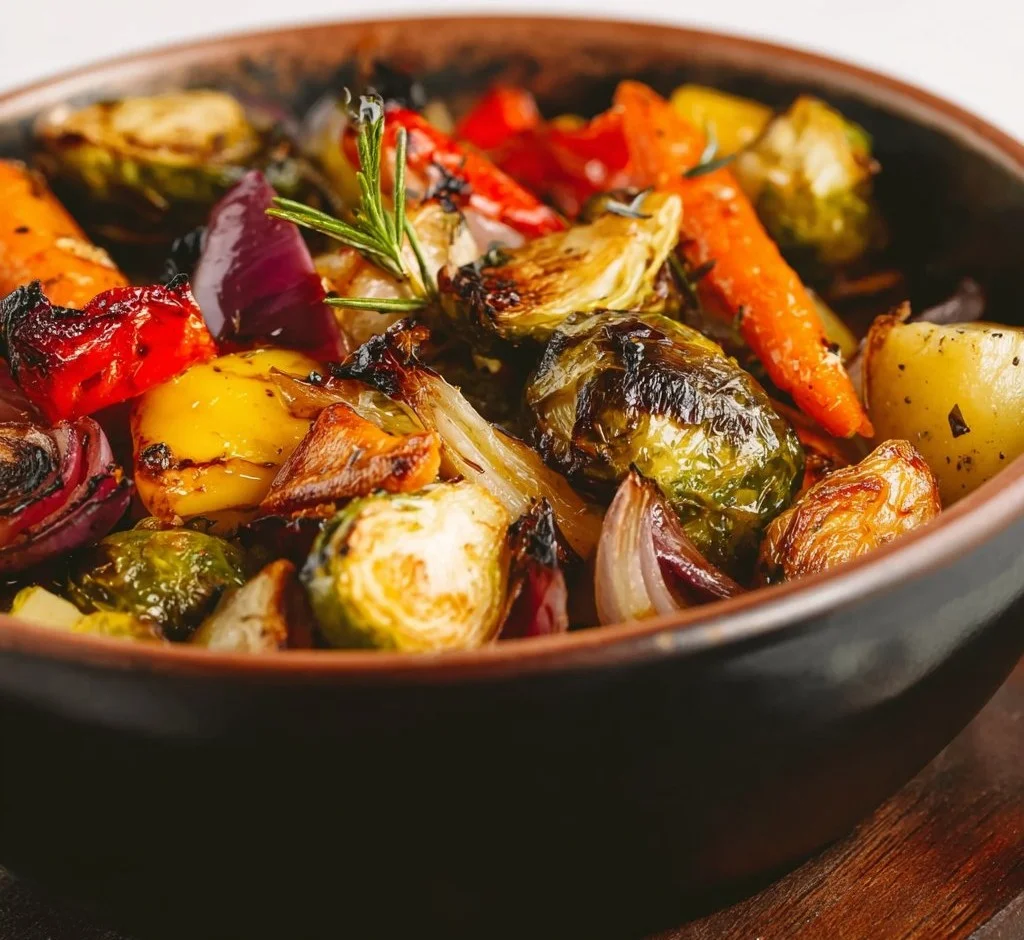
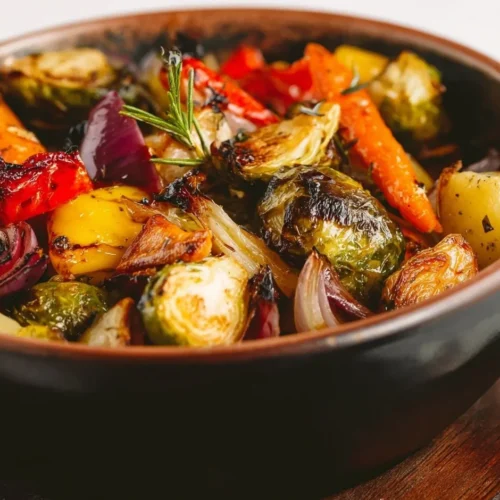
Baked Caramelized Vegetables are assorted vegetables roasted at high heat until their natural sugars concentrate and the edges brown. The result is sweet, savory, and texturally complex pieces with crisp edges and tender centers.
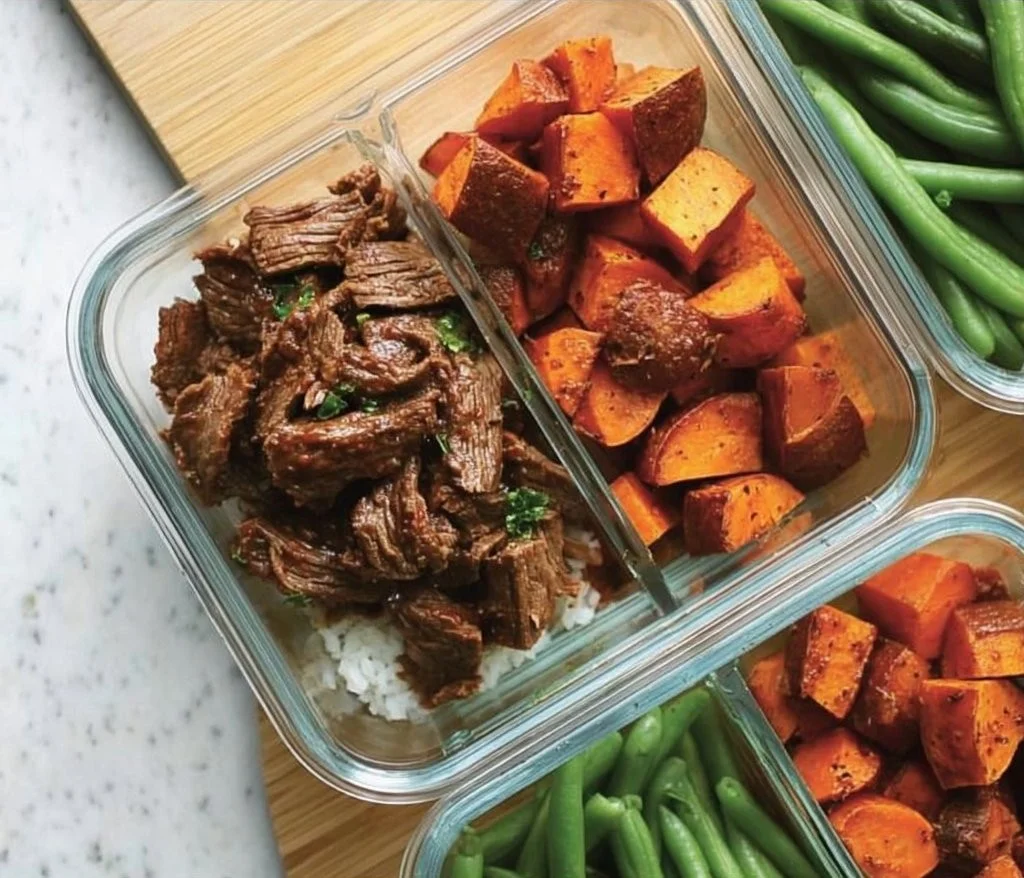
This technique works for root vegetables, brassicas, and squashes, and it is a reliable way to add depth to weeknight meals. Knowing which vegetables need longer roast times helps you mix and match without overcooking smaller pieces.
- Quick Facts about Baked Caramelized Vegetables
- – Oven temperature: 425°F (220°C)
- – Typical roast time: 25 to 40 minutes
- – Best oil smoke point: olive oil extra light or avocado oil, 1 to 2 tbsp per 500 g vegetables
- – Serve as a side, salad topper, or mixed into grains
Nutritional highlights, per 100 g roasted vegetables, vary by mix but a common profile is about 60 kcal, 2 g protein, 4 g fiber, and significant micronutrients, especially vitamin A and potassium.
Baked Caramelized Vegetables
Ingredients
Vegetables
- 500 g assorted vegetables (carrots, bell peppers, broccoli, etc.) Cut into uniform 2 to 3 cm pieces for even cooking.
Seasoning
- 1-2 tbsp olive oil or avocado oil Use a light oil with a high smoke point.
- 1 tsp salt Per 500 g vegetables.
- To taste fresh herbs (e.g. thyme, rosemary) Optional for additional flavor.
- To taste black pepper Optional for seasoning.
Instructions
Preparation
- Preheat the oven to 425°F (220°C).
- Chop the assorted vegetables into bite-sized pieces (about 2 to 3 cm).
- In a large bowl, mix the vegetables with olive oil, chopped fresh herbs, salt, and pepper until evenly coated.
- Spread the vegetables in a single layer on a baking sheet, leaving small gaps between pieces.
Cooking
- Bake for 25 to 30 minutes, or until the vegetables are caramelized and tender, stirring halfway through.
- Serve warm as a side dish.
Notes
Nutrition
Step-by-Step Instructions
Follow these clear steps to get evenly caramelized vegetables with minimal monitoring. Each step lists the action and the expected result, so you can adjust while cooking.
- Preheat the oven to 425°F (220°C). – Expected result: oven stabilizes, ensuring quick surface browning within 10 to 15 minutes.
- Chop the assorted vegetables into bite-sized pieces (about 2 to 3 cm pieces). – Expected result: uniform pieces cook at the same rate, preventing undercooked centers.
- In a large bowl, mix the vegetables with 1 to 2 tbsp olive oil, chopped fresh herbs, 1 tsp salt per 500 g vegetables, and pepper until evenly coated. – Expected result: oil promotes even browning and helps seasonings adhere.
- Spread the vegetables in a single layer on a baking sheet, leaving small gaps between pieces. – Expected result: air circulates, promoting crisp edges, avoid crowding which causes steaming.
- Bake for 25 to 30 minutes, or until the vegetables are caramelized and tender, stirring halfway through. – Expected result: golden edges and soft centers, cook darker veg like carrots up to 35 to 40 minutes.
- Serve warm as a side dish. – Expected result: immediate serving preserves crisp edges and warm, tender interiors.
Variations & Substitutes
Adjust the vegetable mix, herbs, and fat to match diets and regional flavors. Small swaps change the texture and nutrition, but the core method stays the same.
- – Vegetarian: add halved cherry tomatoes and finish with fresh basil, reduces roast time by 5 minutes.
- – Vegan: use avocado oil for neutral flavor and higher smoke point, retains more oils at 425°F (220°C).
- – Low-carb: focus on broccoli, cauliflower, and bell peppers, lowers net carbs to about 6 to 8 g per 100 g.
- – Mediterranean twist: add lemon zest and oregano, increases brightness without extra calories.
For an easy protein pairing that complements roasted vegetables, try our simple baked boneless skinless chicken thighs, which use similar oven timing for sheet pan dinners.
Chef tip, toss vegetables halfway through roasting to expose new surfaces to the heat, this creates more even caramelization and crunch.
Mistakes to Avoid
Beginner cooks often crowd the pan or cut pieces unevenly. These common mistakes lead to steaming, not caramelizing. Use this checklist to troubleshoot and correct issues.
- – Crowding the pan, fix: use two sheets or roast in batches to keep pieces separated.
- – Uneven sizes, fix: cut larger pieces to 3 cm and smaller to 2 cm, aim for uniformity.
- – Low oven temp, fix: set to 425°F (220°C) and allow preheat for 10 to 15 minutes.
- – Using too little oil, fix: coat evenly with 1 to 2 tbsp oil per 500 g vegetables to promote caramelization.
- – Stirring too often, fix: stir once at the halfway mark, over-stirring prevents browning.
Additional troubleshooting and a complementary oven-timed recipe are available in our baked cottage cheese eggs recipe for pairing ideas when hosting brunch or dinner.
Storage, Reuse
Leftover caramelized vegetables store well and gain flavor when reheated. Proper cooling and storage preserves texture and reduces waste.
- – Refrigerate in an airtight container for up to 4 days.
- – Reheat at 375°F (190°C) for 8 to 10 minutes to revive edges, or pan-roast for 4 to 6 minutes.
- – Repurpose: toss into grain bowls, fold into omelets, or blend into soups for added depth.
Related Recipes / See Also
If you love these roasted flavors, our easy baked chicken thighs are a natural protein match for sheet pan dinners and make weeknight prep simpler.
Pair vegetables with creamy egg dishes by trying the baked cottage cheese eggs for a balanced, make-ahead breakfast or light dinner idea.
For more oven techniques and timing charts, revisit the simple baked chicken thighs post to coordinate cook times for multi-component meals.
Looking for brunch or crowd-ready options? The baked cottage cheese eggs recipe pairs well with warm roasted vegetables and scales easily for guests.
Conclusion
Baked Caramelized Vegetables are an easy way to elevate weeknight meals with minimal hands-on time. With the oven temp, cut size, and a simple oil coating, you can consistently produce deeply flavored vegetables. Use the storage tips to repurpose leftovers into new meals for the week.
Enjoy better roasted vegetables, every time.